

You Filed a Patent—Now What? A Baby Product Development Roadmap
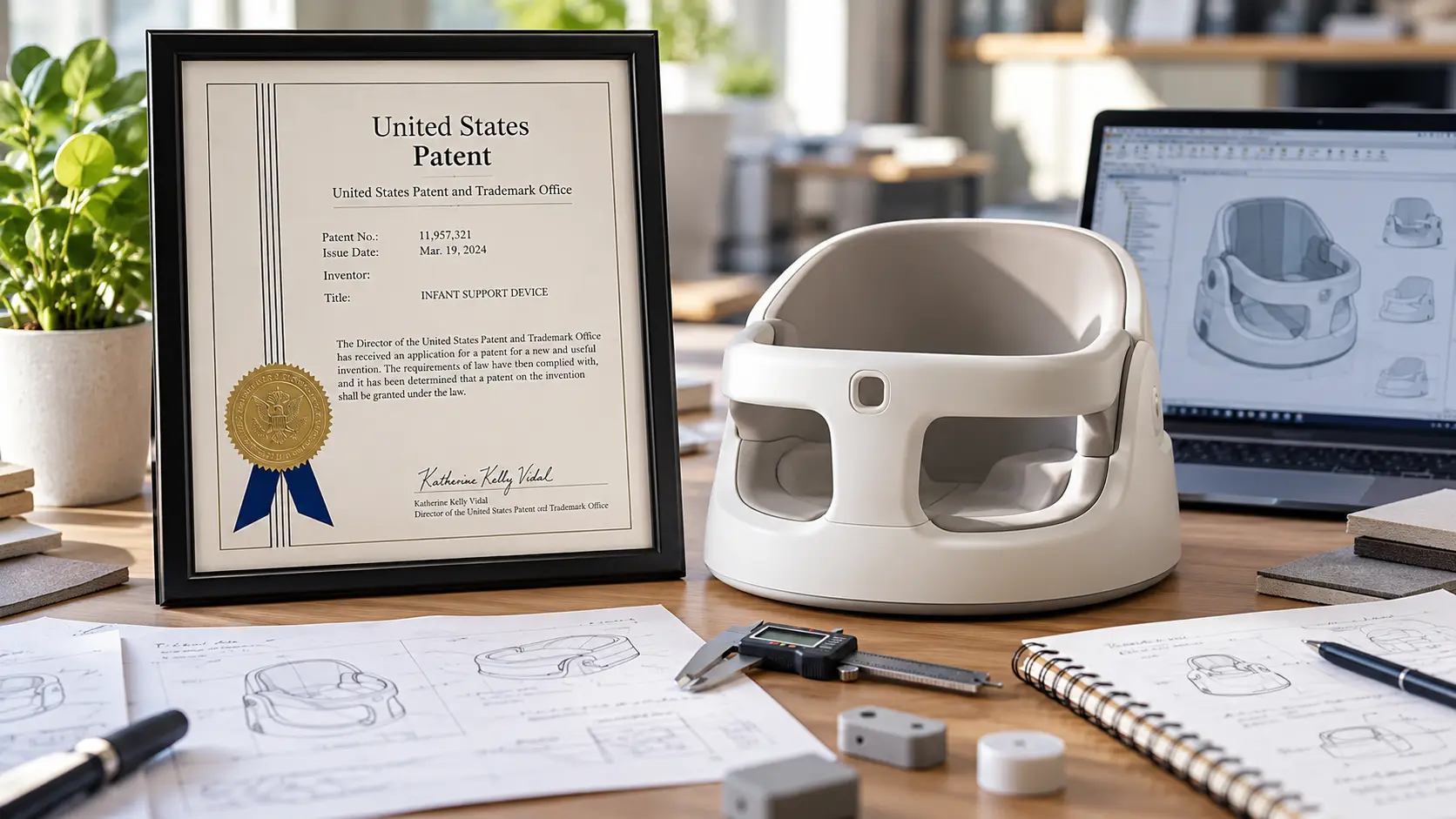
A patent protects your idea; it doesn’t build the product. Here’s what to do next to move a baby product from filing to shelf.

A patent protects your idea; it doesn’t build the product. Here’s what to do next to move a baby product from filing to shelf.

The most expensive product-development mistakes are the ones founders don’t see coming: spending on protection before proof, tooling before the design is frozen, and six more.
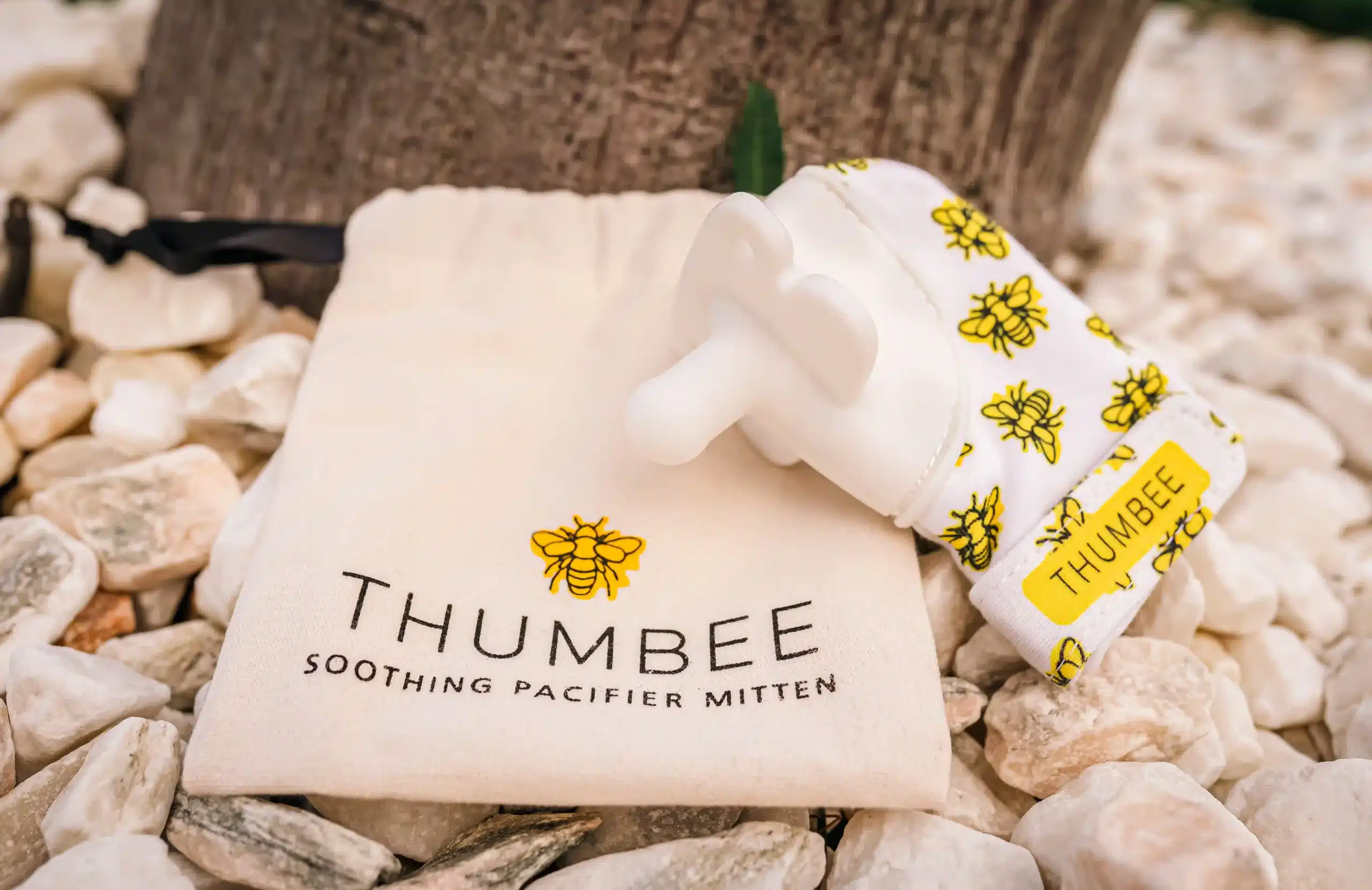
ThumBee founders Jordan and Nick Ripley on the 20 manufacturers who said no, a silicone mold still on a shelf in Minnesota, and the TikTok video that emptied the house.
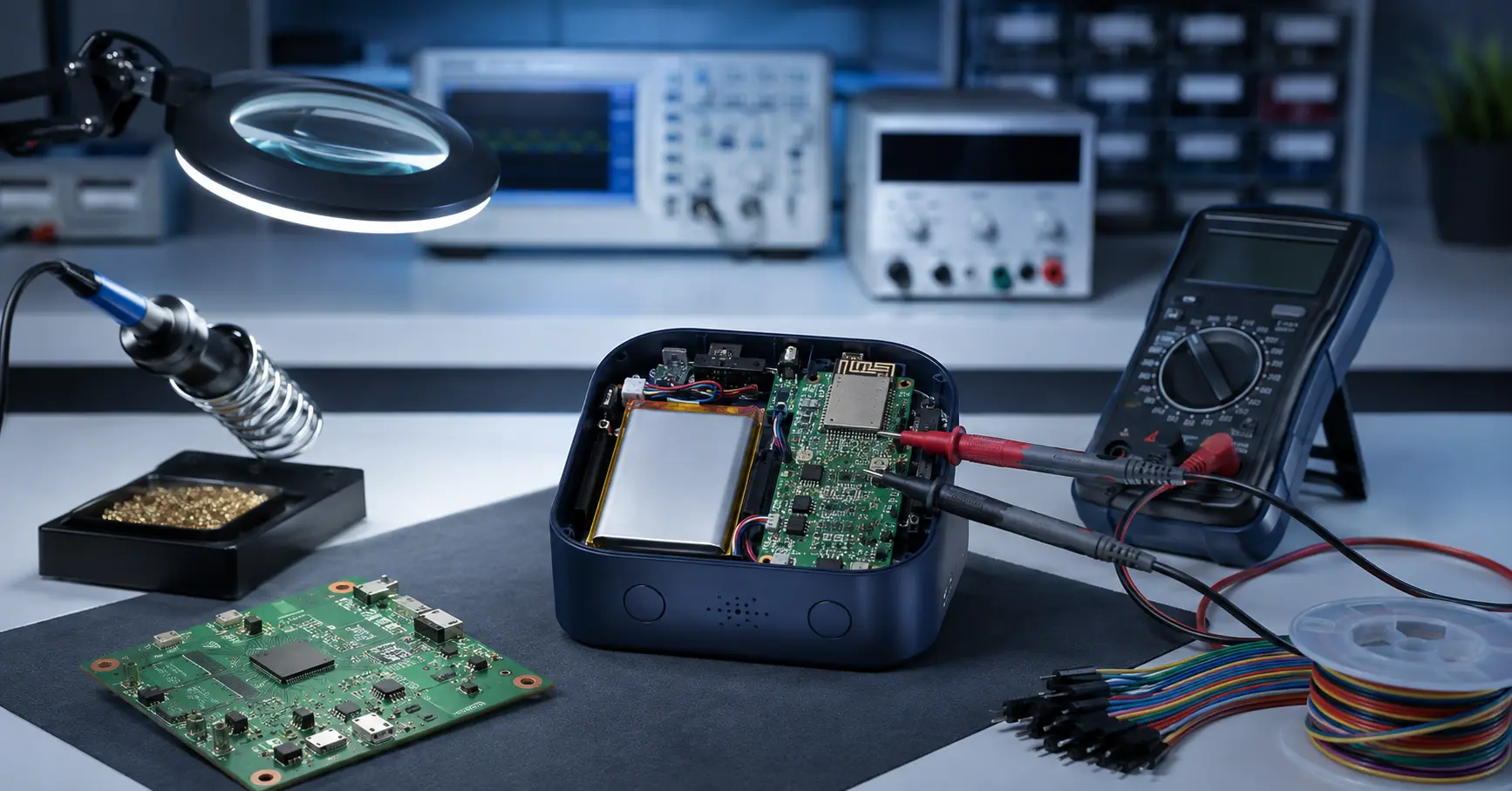
Founders budget electronics programs as a single number and then get surprised five separate times. BOM, NRE, tooling, certification, and landed cost behave differently, break differently, and respond to volume differently. Here’s how each one actually works.

Search Grounds founder Miguel Ferrer on 32 years in Fire Rescue, the coffee ritual that built bridges on disaster deployments, and the 72-Hour Cuban Coffee Kit.
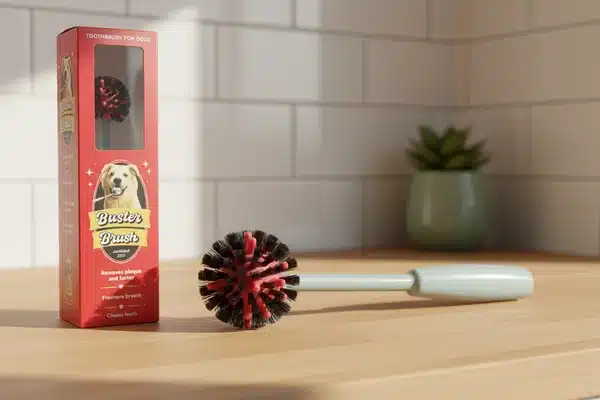
Buster Brush founder Erik Radbill on the four years before his dog toothbrush existed — the factories that said no, the patent, and why hard to build means hard to steal.

The moment your kitchen product has a cord, it stops being a housewares project and becomes an electrical one. Safety listing, food-contact materials, and sometimes an FCC filing all land on the critical path, and every one is cheaper to plan for than to retrofit.
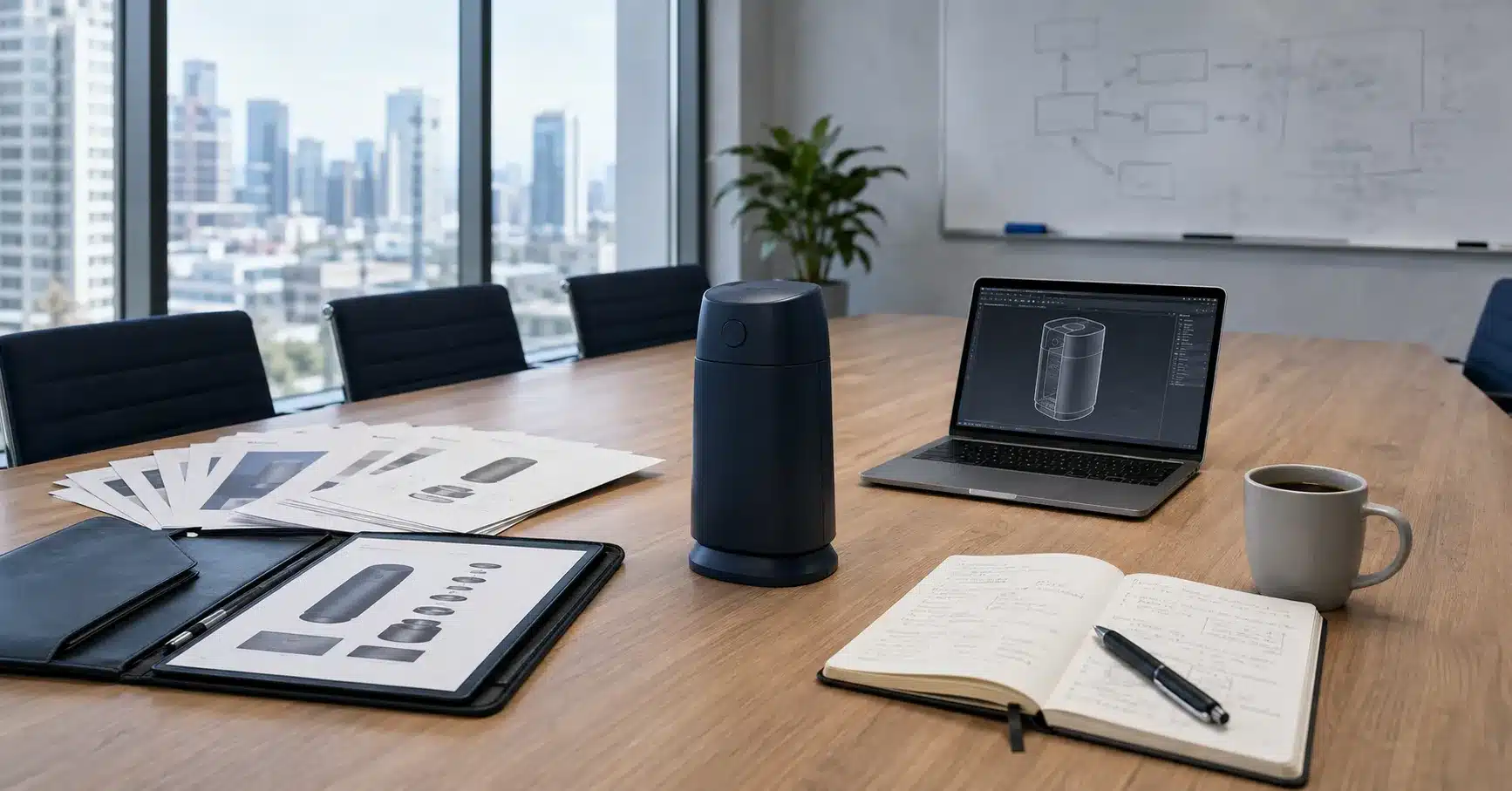
We’re on the vendor side of this, so here’s the thing our side doesn’t always volunteer: the most expensive mistake in product development is finding out at the factory that your finished design can’t be built at your price. It’s knowable months earlier.

Every guide to manufacturing an idea hands you the same five steps, and they fail the same way. The steps only make sense once you know which of three paths you’re on, because that choice sets your budget, your timeline, and how you can fail.

Activewear is the hardest category in apparel to manufacture well, because the fabric is the product. Here is what performance apparel manufacturing actually involves, from GSM and stretch specs through MOQs, sourcing countries, and the PFAS rules that now govern what your factory can put on a fabric.
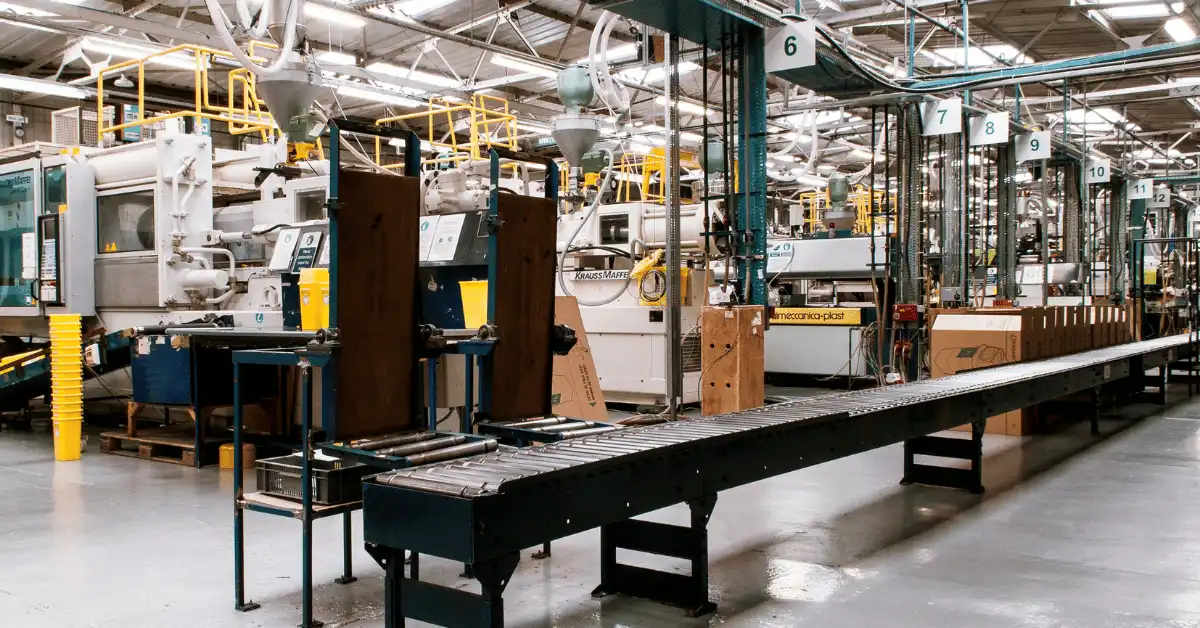
Vetting a manufacturing partner is not a gut call on a sales call. It is seven separate verifications, run in order, and the founders who lose a season almost always skipped stage one. Here is the 2026 process, including the forced-labor and tariff exposure most checklists still ignore.

On Amazon you fill in fields. On Shopify you own a blank box, which is harder. Here is a six-block product description template you can reuse across an entire catalog, plus the SEO and structured-data layer that decides whether anyone finds the page.