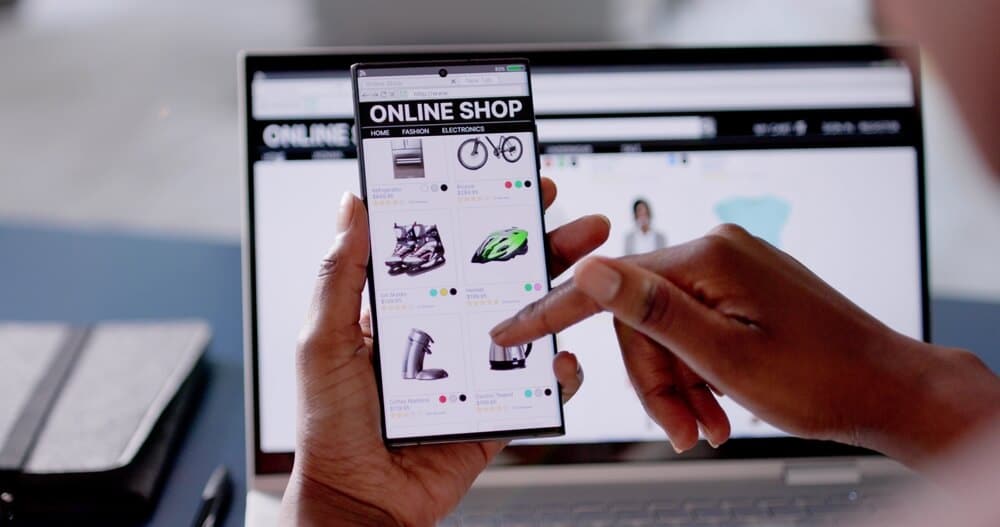





The Biden administration’s recent proposal to reform the de minimis rule has sent waves through the ecommerce industry, particularly affecting China-based platforms like Shein and Temu. However, industry experts suggest that while these giants may face challenges, the changes could significantly benefit U.S.-based sellers by leveling the playing field in a rapidly evolving market.
Blog
Private Label Manufacturing Explained: Types, Benefits & Launch Strategies
If you’re looking to sell branded products without the hassle of in-house manufacturing, private label manufacturing might be the solution. It allows you to focus on marketing and branding while a third-party manufacturer handles production. In this article, we’ll explain how private label manufacturing works, its benefits compared to other outsourcing options, and key steps to get started.
Gembah Named to the 2024 Inc. 5000 List
AUSTIN, TX August, 2024 – Gembah, an Austin-based company known for being an end-to-end product development platform, was awarded the 2024 Inc. 5000 award for helping companies and innovators take ideas from concept to reality.
The Inc. 5000 list is a prestigious and exclusive ranking of the fastest-growing private companies in America according to the percentage revenue growth from 2020 to 2023. To qualify, companies must have generated at least $100,000 in revenue in 2020 and $2 million in revenue for 2023. Representing nearly 40 years of excellence, The Inc. 5000 list has a fantastic roster of past honorees such as Facebook, Microsoft, Under Armour, and Chobani. Gembah is proud to be honored and recognized among business icons for our innovation, growth, and technology advances over the past three years.
AUSTIN, TX August, 2024 – Gembah, an Austin-based company known for being an end-to-end product development platform, was awarded the 2024 Inc. 5000 award for helping companies and innovators take ideas from concept to reality.
The Inc. 5000 list is a prestigious and exclusive ranking of the fastest-growing private companies in America according to the percentage revenue growth from 2020 to 2023. To qualify, companies must have generated at least $100,000 in revenue in 2020 and $2 million in revenue for 2023. Representing nearly 40 years of excellence, The Inc. 5000 list has a fantastic roster of past honorees such as Facebook, Microsoft, Under Armour, and Chobani. Gembah is proud to be honored and recognized among business icons for our innovation, growth, and technology advances over the past three years.
Global Shipping Rates Surge Amid Rising Red Sea Attacks
The cost of international shipping has skyrocketed as businesses rush to transport goods for the upcoming festive season months earlier than usual. This sudden surge in shipping rates is largely attributed to the ongoing attacks in the Red Sea by Yemen’s Houthi militant group, which have forced ships to take longer, alternative routes.
Supply Chain Transformation: Definition, Process, Technologies, and Roadmap
Supply chain transformation is the process of redesigning people, processes, technology, data, and supplier relationships so your supply chain can support business growth, customer expectations, cost control, and resilience. This guide explains what supply chain transformation means, how it differs from supply chain optimization, the main stages of a transformation roadmap, the technologies involved, and how product companies can implement change without disrupting operations.
NPI Manufacturing: Your Guide to New Product Introduction
New Product Introduction (NPI) manufacturing is a critical process that ensures the successful development and launch of new products. This comprehensive guide outlines each step of the NPI process, providing insights to help organizations efficiently transform ideas into market-ready products while minimizing risks.
China Supply Chain: 2026 Overview, Risks & Strategy
China’s supply chain remains one of the most important forces in global trade in 2026. Its manufacturing depth, logistics infrastructure, R&D spending, and control over key inputs make it difficult to replace. At the same time, tariffs, export controls, rising costs, and geopolitical risk mean businesses need a clearer China strategy than they needed a decade ago. This article explains how China’s supply chain evolved, where it remains strongest, and how companies can balance opportunity with diversification.
Quick answer: Should brands still manufacture in China?
China is still one of the strongest manufacturing markets for many product categories because of its supplier depth, tooling capacity, logistics infrastructure, and engineering talent. But brands should avoid relying on China as their only sourcing option. A stronger 2026 strategy is to keep China where it has clear advantages while building backup capacity in countries such as Vietnam, India, Mexico, or the U.S. when cost, tariff, lead-time, or risk exposure justifies it.
India’s Growing Role: How the Supply Chain in India is Evolving
The supply chain in India is undergoing rapid transformation, driven by government reforms, technological advancements, and strategic initiatives. This article explores India’s emerging role in the global supply chain landscape.
U.S. Blocks Chinese Cotton Imports Over Uyghur Forced Labor Concerns
The United States government has taken a significant step in its efforts to eliminate goods made with Uyghur forced labor from the U.S. supply chain. The government announced May 16th that it is blocking imports from 26 Chinese cotton traders and warehouse facilities, drawing criticism from China but receiving praise from U.S. lawmakers who advocate for stricter measures.
Vietnam Supply Chain: Trends, Issues, and Opportunities
Vietnam’s supply chain, or the Vietnam supply chain, is emerging as a crucial component of global trade. This article explores why, covering strategic locations, economic reforms, and key investment opportunities. We also highlight the challenges and future prospects for the Vietnam supply chain.
Nearshoring in Mexico: Benefits and Risks for Global Businesses
Nearshoring in Mexico can minimize supply chain disruptions, reduce transportation costs, and take advantage of favorable trade agreements. Companies benefit from lower labor costs and easier communication due to geographical proximity.
Contract Manufacturing vs Private Label: Key Differences Explained
When producing and branding products, businesses can choose between contract manufacturing and private label approaches. This guide compares these two methods to help you decide which suits your business needs. We’ll explore the key differences, advantages, and challenges of each approach to facilitate an informed decision.