You can launch a toy brand in 2026 without guessing. Start with a makeable idea, choose white label for speed or private label for true differentiation, build safety into the design, and prove demand with a small pilot before you scale. This guide gives you the exact steps, from picking a category and vetting factories to passing safety testing, preparing a Children’s Product Certificate and tracking labels, and setting up a marketplace-ready listing.
Want a faster and safer path from idea to inventory? Book a short call with Gembah to review your concept and match with a qualified factory.
Note: If your idea is a brand-new invention that no factory already makes, you are not doing white label or private label. You need unique product development, with industrial design, engineering, and formal validation builds. We will cover that approach in a separate post. Use this guide only if you are adapting an existing product family or customizing a current factory’s design.
TL;DR
Pick a simple toy you can actually produce, then choose white label to test quickly or private label to own the design, claims, and margin. If your concept is a brand-new invention, follow a unique product development path instead, not white or private label. Bake safety into the specification, identify the rules that apply to your exact toy, use a CPSC-accepted laboratory when third-party testing is required, and prepare a complete compliance file with a Children’s Product Certificate, tracking labels, age guidance, warnings, and test reports before you list.
Run a pilot of one hundred to five hundred units to validate demand, gather reviews, and lock a single golden sample for quality control. Price with real cost math and plan cash for the holiday surge. If you want help de-risking each step, Gembah can coordinate factories, testing, documents, and production.
Key Points
- Choose a makeable first product: Favor plush, building sets, simple outdoor play, or basic educational kits over complex electronics.
- Pick your path with intent: White label validates channels fast. Private label creates defensible features and pricing power.
- Design with safety first: Remove small-part hazards for young children, secure batteries, limit sound levels, and use materials that meet current United States children’s product safety rules and the federal toy safety standard.
- Vet real toy factories: Ask for recent test reports, audit history, client references, and a clear quality control process with in-process checks and final inspections.
- Prototype, then pilot: Iterate samples, then run one hundred to five hundred units to test consistency, reviews, returns, and defects before committing to large orders.
- Get your documents ready early: Prepare a Children’s Product Certificate, third-party test reports from a CPSC-accepted laboratory when required, tracking labels, age guidance, and on-product or package warnings that match your listing.
- Know your numbers: Calculate landed cost, packaging, freight, duties, marketplace fees, returns, testing, inspections, and storage. Target healthy gross margin and protect cash for the holiday quarter.
- Scale with controls: Approve a golden sample, document every spec, schedule pre-shipment inspections, and consider a second factory once demand is stable.
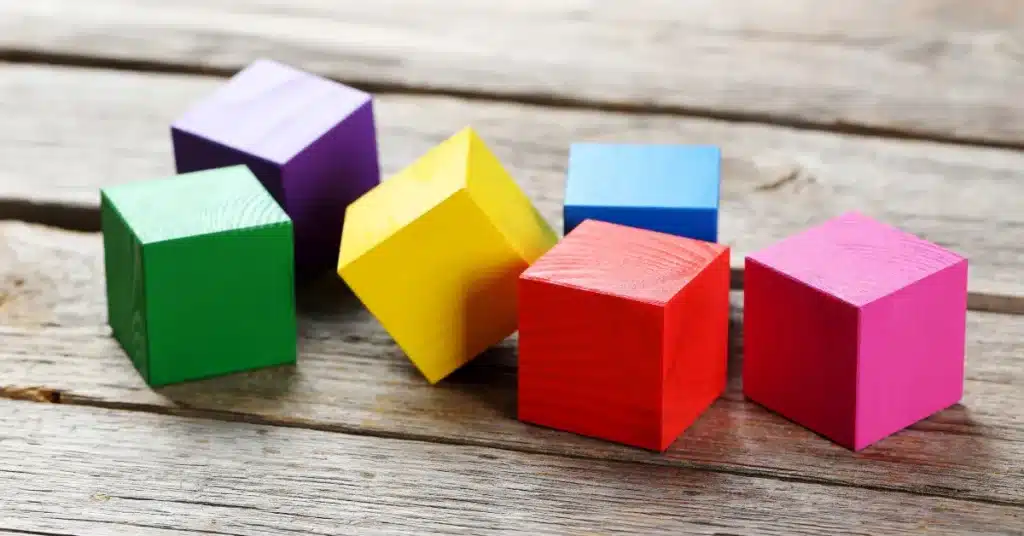
Step 1 – Start With a Toy Idea You Can Actually Make
Pick a simple product category
Your first toy launch should balance innovation with production reality. Complex electronic toys with custom circuit boards carry higher tooling costs, longer development timelines, more safety testing, and more failure points than simpler alternatives. Consider categories where you can enter with reasonable investment while still differentiating your brand.
Good beginner categories often include plush toys, simple wooden toys, basic activity kits, puzzles, building sets, bath toys without complex mechanisms, outdoor play items, and screen-free educational toys. These categories can still be creative, but they are usually easier to sample, inspect, package, and explain to parents than app-connected or electronics-heavy toys.
Educational toys, building sets, plush products, and outdoor play items continue to attract parents because they connect play with learning, movement, imagination, or comfort. STEM-focused products can be attractive when they teach a clear skill and remain age-appropriate, but the safest starting point is usually a simple play pattern with strong packaging, clear instructions, and a focused age range.
A smaller-scale toy launch still requires real capital for design, sampling, testing, packaging, inventory, and marketing. Use Gembah’s toy product design and manufacturing resources to understand how product design, factory selection, and production planning fit together before you commit to a concept.
Start by researching what factories already produce at scale. A wooden puzzle manufacturer can likely adapt their process for your design much faster than they could add injection molding equipment. This practical constraint does not limit creativity. It channels it toward concepts that can reach market faster, pass testing more smoothly, and stay within budget.
Sketch your concept or find inspiration
Translating mental images into physical products requires some form of visualization. Simple sketches communicate your vision to designers and manufacturers, even if your drawing skills peaked in elementary school. Focus on capturing the core play pattern, key features, rough dimensions, age range, materials, and how the child interacts with the toy.
Look for inspiration across current trends without directly copying existing products. Licensed character toys can sell well, but licensing costs and legal risk put them out of reach for many new brands. Instead, identify the underlying play pattern those toys satisfy and find a fresh angle. If kids love collectible figures tied to stories, your educational toy might include collectible elements tied to real scientists, animals, landmarks, or problem-solving missions.
Digital mood boards help refine aesthetics before you invest in prototyping. Platforms like Pinterest or simple PowerPoint decks let you collect reference images for materials, colors, packaging, and overall style direction. These visual references prove invaluable when briefing designers who will turn your concept into technical drawings.
Keep safety in mind from the start
Toy safety is not a final checklist item. It is a foundation for every design decision. The CPSC toy safety guidance explains that ASTM F963 is mandatory for children’s toys under 16 CFR part 1250, and that different sections apply depending on the toy’s materials, age grading, construction, sound, batteries, small parts, stuffing, cords, magnets, projectiles, and other features.
Small parts create choking hazards for young children, so designs targeting kids under three must either eliminate them or secure components so they do not detach during normal or foreseeable use. Sharp edges, accessible batteries, magnets, expanding materials, cords, projectiles, and excessive noise levels can all trigger specific requirements.
Familiarize yourself with basic safety principles for your chosen category before finalizing your concept. A plush toy needs different safety considerations than a battery-operated robot. This upfront research shapes design choices that keep kids safe while maintaining production feasibility.
Reality Check: The CPSC’s ASTM F963 chart shows that some sections apply to most toys, while others apply only to specific toy types. Get a testing quote from more than one qualified lab before you finalize pricing. Testing cost depends on the toy’s materials, features, age range, and the exact standards that apply.
Step 2 – Decide: White Label or Private Label
What “white label” means
White labeling refers to purchasing pre-manufactured products from a supplier and rebranding them with your company name and packaging. The white label definition business-wise describes a manufacturing relationship where the producer makes a generic product that multiple retailers can purchase and sell under their own brands. These products already exist in finished form, requiring only branding customization.
Think of white label products meaning essentially this: the factory handles all product development and tooling costs, then offers the finished goods to various buyers. White label electronics might include tablets, headphones, or smart devices that different companies rebrand. White label dog toys could be rope toys or squeaky balls that pet supply retailers purchase and package with their logos.
This model minimizes upfront investment since you’re not paying for unique product development. The trade-off comes in differentiation, as competing retailers may sell nearly identical products under different brand names. White labeling examples span countless industries, from supplements to software, but work particularly well for entrepreneurs testing market demand before committing to custom development.
What “private label” means
Private label flips the exclusivity equation. Here, you work with a manufacturer to create a product exclusively for your brand, incorporating custom features, specifications, materials, colors, packaging, or designs. What is a white label company versus a private label arrangement? The key difference lies in exclusivity and customization depth.
Private label toys belong solely to your brand. You might start with a manufacturer’s existing base design but modify dimensions, add unique features, adjust materials, or customize the product. This approach lets you build distinctive brand identity and protect against direct comparison, since other retailers cannot order your exact product from the same factory.
Examples of white label products converted to private label include adding exclusive character designs to basic plush toys or incorporating proprietary educational content into activity sets. What is a white label brand versus private label branding? A white label brand sells rebranded generic goods, while private label branding represents more differentiated products that reflect your unique market positioning.
The financial implications differ significantly. White label can start with lower capital needs because tooling and product development are already complete. Private label requires more budget for design, sampling, testing, quality control, packaging, and initial inventory, but it gives you more control over value, claims, customer experience, and long-term brand equity.
When to choose each
White label makes sense when you’re validating demand, working with limited capital, or entering a commodity category where differentiation matters less. If you’re selling on Amazon or another marketplace and speed to market matters more than uniqueness, white label gets you started quickly. The lower barrier to entry means you can test concepts without major financial exposure.
Private label suits established brands or entrepreneurs willing to invest in differentiation. When your research indicates strong demand for a specific toy concept not currently available, custom development can justify the additional cost. Private label also makes sense when you’re building for long-term brand equity rather than quick market testing.
Price positioning matters in both models. New toy brands must audit perceived value and set price points that match customer expectations without exceeding market tolerance. Overpricing risks slow sell-through. Underpricing undercuts brand equity and leaves too little room for testing, returns, advertising, and seasonal cash flow.
Consider starting with white label to establish sales channels and understand market dynamics, then transitioning to private label once you’ve validated demand and accumulated capital. This progression lets you learn the toy business without betting everything on untested custom products. Many successful toy entrepreneurs begin with rebranded basics before developing signature product lines that define their brands.
Step 3 – Work With a Factory That Already Makes Toys
Where to find them
Finding reputable toy manufacturers requires checking multiple sources before committing. B2B platforms like Alibaba, Made-in-China, and Global Sources let you filter manufacturers by product type, certifications, and buyer ratings. These platforms aggregate thousands of factories, but verification becomes your responsibility. Cross-reference supplier claims by requesting recent test reports, factory audit results, and references from current clients.
Trade shows including the Canton Fair and China Toy Expo offer face-to-face meetings with manufacturers. These events let you assess sample quality firsthand and gauge communication styles before signing contracts. Seeing how factories present themselves and interact with buyers reveals operational professionalism that online profiles sometimes mask.
Platforms like Gembah streamline manufacturer matching by maintaining vetted networks. With relationships across over 2,000 factories in 8 countries, such services handle initial vetting and matchmaking based on your specific product requirements and production volume. This approach saves months of research while reducing the risk of partnering with unqualified manufacturers. Similar manufacturer matching services include platforms like Sourcify and Pivot, or you can work directly with sourcing agents in manufacturing regions, though these options vary in the depth of vetting and ongoing support provided.
What to ask before you commit
Start by confirming production capacity and typical lead times: “What is your production capacity and typical lead time, and how do you handle surges in demand?” Understanding whether a factory can scale during holiday seasons prevents stockouts when demand peaks. Manufacturers should articulate clear processes for managing increased volume without sacrificing quality.
Request specific examples of successful toy lines: “Can you share examples of toy lines you’ve produced, and do you have references from companies similar to ours?” Viewing finished products reveals quality standards and design execution capabilities. Speaking with current clients provides unfiltered perspectives on communication, reliability, and problem-solving approaches.
Probe quality control processes: “What quality control processes and certifications do you have in place, and how are defects handled?” Toy safety demands robust inspection systems at multiple production stages. Factories should describe in-process inspections, final QC procedures, sample retention, batch tracking, and their protocol for managing defects or potential recalls. ISO certifications indicate systematic quality management.
Assess adaptability to market changes: “How do you stay responsive to market trends, and what is your process for adapting production to new designs or materials?” The toy industry moves quickly, and factories must pivot when opportunities arise. Understanding their design modification timeline and material sourcing flexibility helps you capitalize on emerging trends.
Ask about sustainability and labor practices: “What are your sustainability practices and labor standards?” Consumer and regulatory scrutiny of ethical manufacturing continues intensifying. Factories should detail waste reduction efforts, responsible sourcing, and worker conditions including overtime policies and safety measures.
Finally, confirm communication structure: “Will we have a dedicated point of contact, and can we visit your facility before and during production?” Strong partnerships require consistent communication channels and transparency. The ability to audit factories in person builds trust and lets you verify conditions directly.
Red flags
Walk away from manufacturers who cannot demonstrate compliance with modern safety standards. Inability to provide up-to-date safety certifications and test reports signals potential for recalls, listing delays, and legal liability. Factories producing toys for children must maintain rigorous documentation covering all applicable standards.
Weak quality control processes raise serious concerns. Manual visual inspection alone is not enough for modern toy production. Manufacturers should have documented inspection points, sample approval controls, incoming material checks, finished-goods inspections, and clear corrective action procedures when defects appear.
Any connection to counterfeiting or poor intellectual property protection should end discussions immediately. Factories that tolerate gray markets or show lax IP controls expose your brand to dangerous knockoffs that bypass safety testing. Legitimate manufacturers implement anti-counterfeit measures and track product authenticity throughout supply chains.
Lack of transparency represents another dealbreaker. Manufacturers unwilling to share audit trails, provide factory tour access, or submit third-party inspection results may be hiding operational issues. Legitimate operations welcome scrutiny because their processes withstand examination. Transparency with clean, audit-ready records proves essential for responding to regulatory or marketplace challenges.
Reality Check: Most private label toy factories require minimum order quantities, and MOQs can vary widely by material, tooling, assembly complexity, and packaging. If you do not have enough capital for samples, testing, packaging, first inventory, inspections, and slow-moving stock, you are not ready for custom private label manufacturing yet. Consider white label, a simpler SKU, or additional fundraising first.
Step 4 – Prototype and Test a Sample
Get a small sample made
Physical prototypes transform concepts into tangible products you can evaluate and test. Start with rapid prototyping using readily available materials like wood, cardboard, foam, fabric mockups, or 3D printing to assess core functionality quickly. These early samples do not always require factory involvement or significant investment, but they reveal basic design flaws before formal tooling begins.
For toy creators, prototypes should answer practical questions. Is the play pattern obvious? Is the toy comfortable to hold? Does it survive normal handling? Are there parts that could detach? Does the child need instructions, or is use intuitive? Can the design be cleaned, packaged, shipped, and inspected consistently?
Once your concept proves viable through rough prototypes, engage your manufacturer for production-ready samples. Gembah connects toy creators with over 500 vetted product experts who work directly with factories during development, minimizing production surprises and streamlining the manufacturing process. This integrated approach catches design issues that might otherwise surface after expensive tooling commits.
Request multiple sample iterations incorporating feedback from each review cycle. First samples rarely match your vision perfectly, so build revision rounds into your timeline and budget. Testing different material options, color combinations, or assembly methods through samples prevents costly changes during mass production. Custom plastic or multi-part items may require expensive tooling, so use the sample phase to reduce risk before molds are finalized.
Ask for basic safety confirmation
Safety review begins during prototyping, not after production completes. The CPSC toy safety FAQ states that toys intended primarily for children 12 and under require third-party testing by a CPSC-accepted laboratory and certification in a Children’s Product Certificate when subject to children’s product safety rules.
Request preliminary safety assessments covering your product category’s specific requirements. Battery-operated toys need review for battery accessibility and compartment security. Sound-producing toys may need acoustic testing. Toys with plasticized parts, coatings, stuffing, magnets, cords, projectiles, or expanding materials may trigger additional requirements.
Your manufacturer should facilitate access to qualified testing laboratories and guide you through required assessments. Reputable factories maintain relationships with accredited testing facilities and understand current standards. They should provide documentation showing their standard products already meet baseline requirements, giving you confidence your customizations will not introduce compliance gaps.
Budget realistically for this phase. Use the CPSC-accepted laboratory search to identify qualified labs and request estimates based on your exact toy, material list, age grade, and target markets. If initial samples fail, you will need to modify and retest, adding time and expense. Building these costs into your financial planning prevents unpleasant surprises.
Run a small pilot order first
Pilot production bridges the gap between samples and full-scale manufacturing. Order a small batch, typically 100 to 500 units, to validate production quality and identify issues before committing to thousands of pieces. This limited run tests the manufacturer’s ability to replicate sample quality at volume.
Evaluate pilot units thoroughly for consistency, durability, and assembly quality. Test multiple units rather than cherry-picking the best examples. Check dimensions, color matching, packaging, labeling, and functional performance across the batch. Inconsistencies during pilot production signal problems that magnify during full runs.
Use pilot units to gather real-world feedback before broad launch. Send samples to target customers, retail partners, or industry experts for honest assessments. Their perspectives reveal issues you might overlook due to familiarity with the product. Adjustments based on pilot feedback prevent launching with preventable flaws that damage your brand reputation.
The pilot phase also lets you test multiple channels before committing to large inventory positions. If your toy depends only on one marketplace, one retailer, or one holiday season, your cash risk rises. Use the pilot to learn which channels produce clean sell-through, fewer returns, and better reviews.

Step 5 – Set Up for a Safe and Simple Launch
Amazon-ready checklist
Selling toys on Amazon or any major marketplace demands clear safety and compliance documentation. You need a professional listing workflow, clear product images, age grading, warnings, test reports, and certificates ready before a compliance request arrives. Marketplace review can delay launch if documents are incomplete or claims on the listing do not match the tested product.
Product listings must include clear age recommendations, especially for items with small parts that pose choking hazards. Both packaging and listings should display appropriate hazard warnings that match the physical product, applicable CPSC rules, and your test reports. Some branded toy products require extra permissions before listing, but private label sellers still need full compliance proof for their own toys.
Optimize listings with high-quality images showing the product from multiple angles, lifestyle shots of children playing with the toy in an age-appropriate way, and detailed feature callouts. Write descriptions that explain benefits without making unsupported educational, medical, developmental, or safety claims. Customer reviews significantly influence toy purchases, so building initial positive feedback through a compliant launch plan helps establish credibility.
Build a compliance folder that includes your Children’s Product Certificate, supporting test reports, bill of materials, product images, instruction sheets, warning labels, packaging files, and tracking label details. CPSC guidance says children’s products generally need visible, legible, permanent identifying marks on the product and packaging to the extent practicable.
Pricing and costs
Understanding your full cost structure determines whether your toy business becomes profitable. Toy manufacturing includes costs for materials, labor, packaging, tooling, safety testing, compliance documentation, quality control, inspection, freight, duties, storage, marketplace fees, advertising, and returns.
Calculate your landed cost per unit including manufacturing, tooling amortization, safety testing, shipping, customs duties, and warehousing. These combined expenses form your true product cost. Markup strategies depend on sales channels. Direct-to-consumer ecommerce gives more pricing control but requires investment in marketing, customer service, and fulfillment. Marketplace sales provide reach but add platform fees, advertising costs, and return risk. Retail and wholesale channels can scale volume but compress margin.
Remember that toy demand often concentrates in the holiday quarter. This seasonality affects cash flow planning and inventory management. Price competitively while maintaining margin targets that fund marketing, support growth, and sustain operations through slower periods.
Operational discipline matters as much as product creativity. As you grow, continue optimizing your portfolio and operations. Scale only what delivers proven productivity, clean sell-through, and acceptable defect rates. Do not over-invest in unvalidated lines or processes.
Reality Check: Let’s walk through a realistic example. If your landed cost is $8 per unit and your Amazon selling price is $24.99, you still need to subtract referral fees, fulfillment, advertising, returns, damaged inventory, storage, and slow-moving stock. Build a 10-15% buffer for these costs before you assume a product is profitable.
Packaging that protects and sells
Toy packaging serves dual functions: protecting the product during shipping and selling it on crowded retail shelves or online marketplaces. Use materials and structures that protect the product, support required warnings, and match the age grade. Avoid sharp edges, confusing multi-part packaging, and package designs that hide required labels or instructions.
Sustainable materials address growing environmental concerns and evolving consumer expectations. Recyclable, reusable, or responsibly sourced packaging can support your brand story when it still protects the toy and remains easy for parents to open, store, and recycle.
Visual design makes your product stand out in competitive environments. Implement bright colors, engaging graphics, and distinctive branding that captures attention both in stores and online. Consistent visual identity across your product line builds brand recognition and emotional connections with consumers. Color psychology and memorable imagery influence purchasing decisions when parents scan dozens of options.
Ensure packaging communicates key information including product descriptions, age suitability, safety warnings, and assembly instructions. Clear labeling helps parents make informed, safe choices while supporting regulatory compliance across global markets. Consider incorporating QR codes or augmented reality features only if they improve setup, safety, or play value. Structural innovations where packaging becomes part of the play experience or reusable storage can boost appeal and encourage repeat purchases.
Step 6 – Scale Confidently
Keep consistency locked
Quality consistency separates sustainable brands from one-hit wonders. As production volumes increase, maintaining the standards established during pilot runs becomes challenging but essential. Implement systematic quality control including in-process inspections, final QC procedures, retained samples, and random batch testing that catches issues before products reach customers.
Document specifications precisely so manufacturers can replicate results across production runs. Detailed technical drawings, material callouts, color standards, packaging files, labeling requirements, and assembly instructions prevent variations that confuse quality expectations. Keep the approved golden sample available for factory, inspector, and internal team reference.
Consider dual sourcing strategies that diversify production across multiple factories once demand is stable. This approach can support manufacturing continuity if one supplier faces disruptions while creating competitive pressure that maintains quality standards. Platforms like Gembah leverage negotiation expertise to secure competitive pricing, with some clients achieving 60-70% cost reductions through optimized sourcing strategies.
Build trust with safety and reviews
Safety reputation determines long-term success in the toy industry. One recall damages brand credibility that takes years rebuilding. Stay current with evolving regulations and proactively test products beyond minimum requirements when the risk profile warrants it. The CPSC has recently addressed emerging toy hazards, including water bead toys and neck floats. Awareness of these changes prevents surprises.
Encourage satisfied customers to share their experiences through reviews and testimonials while following marketplace rules. Positive feedback on Amazon and other platforms significantly influences purchasing decisions for parents researching toys. Respond professionally to negative reviews, addressing concerns and demonstrating commitment to customer satisfaction. This engagement shows prospective buyers that your brand stands behind its products.
Leverage social proof through influencer partnerships, user-generated content, and community building. Parents trust recommendations from other parents more than advertising. Authentic endorsements from credible voices in parenting or education communities carry weight. If your toy integrates connectivity, app features, or AR capabilities, make sure the digital experience is safe, stable, age-appropriate, and supported by clear privacy and use guidance.
Get help when you’re ready to grow
Recognizing when you need external expertise prevents costly mistakes during scaling. Tariff changes, rising material costs, testing delays, quality drift, and supplier capacity problems can sharply erode margins for small brands lacking diversified sourcing strategies. If you see sudden, sustained increases in costs that in-house negotiations cannot resolve, manufacturing consultants can optimize sourcing and stabilize pricing.
Recurring stockouts, chronic delivery delays, or inability to scale production to meet demand signal operational constraints beyond internal capabilities. When order fulfillment cannot keep pace with retail demand despite best efforts, specialist partners introduce resilient supplier networks and de-risk international shipping.
Sourcing most products from a single country, especially China, can create geopolitical, tariff, and policy risks. External consultants can help evaluate vendor sourcing in emerging hubs like Vietnam, Mexico, India, or Bangladesh to reduce exposure while protecting quality and cost targets.
Quality control failures or compliance gaps suggest expertise deficits. If in-house teams cannot maintain compliance documentation or consistently audit remote factories, third-party quality assurance becomes necessary. Gembah’s end-to-end project management provides transparent processes, production oversight, and quality assurance throughout manufacturing, with staff located across the U.S., UK, India, China, Vietnam, and Mexico supporting global operations.
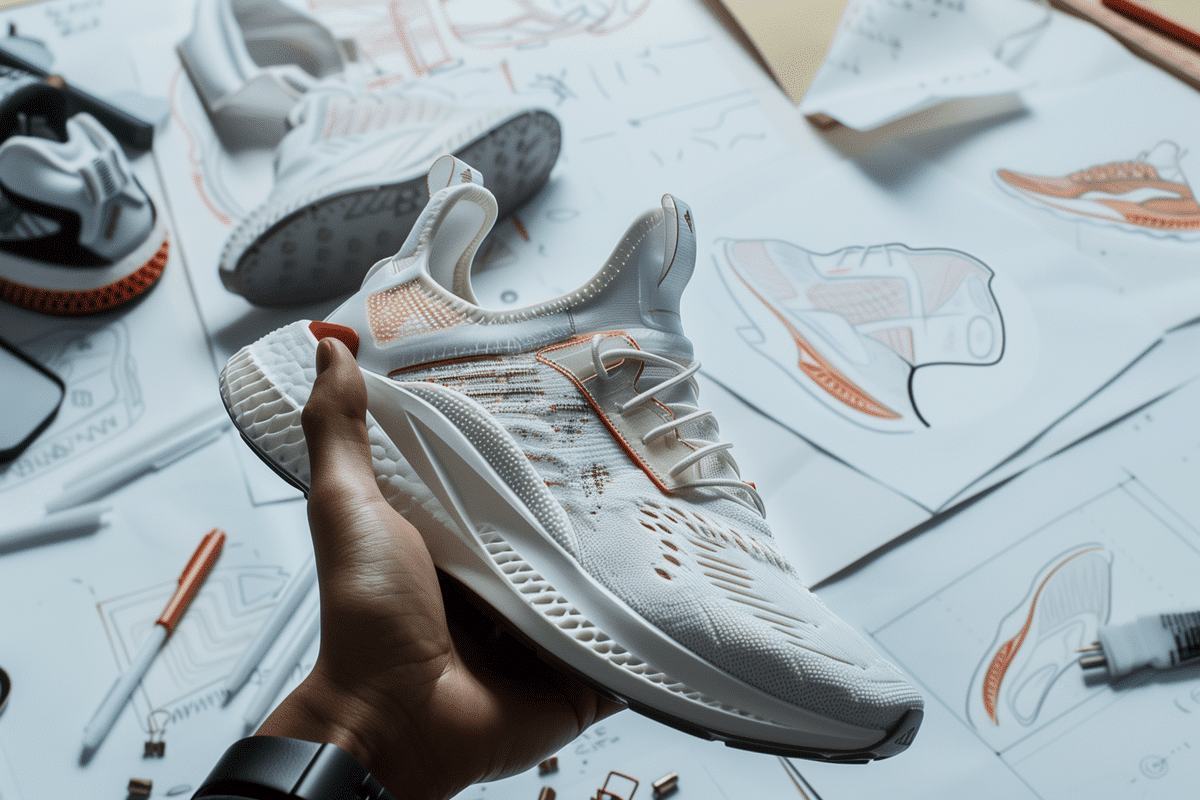
Create:
Profitable Products…Fast
Our Process Takes Products From Market Research to Production -> FAST
Conclusion
Winning toy brands keep it simple, make it safe, prove it small, then scale with discipline. Choose the model that fits your capital and timeline, specify safe materials, pass independent testing when required, assemble your compliance file before you list, and use a tight pilot to validate demand and quality. When you are ready to grow, lock a golden sample, inspect every shipment, and expand with clear cost math rather than hope.
Want an expert partner to cut risk and speed up launch? Schedule a quick call with Gembah and leave the factory vetting, testing, documentation, and production management to us.
If your idea is truly new, follow the unique development track, then return to this playbook for factory scale, quality control, and channel execution.