
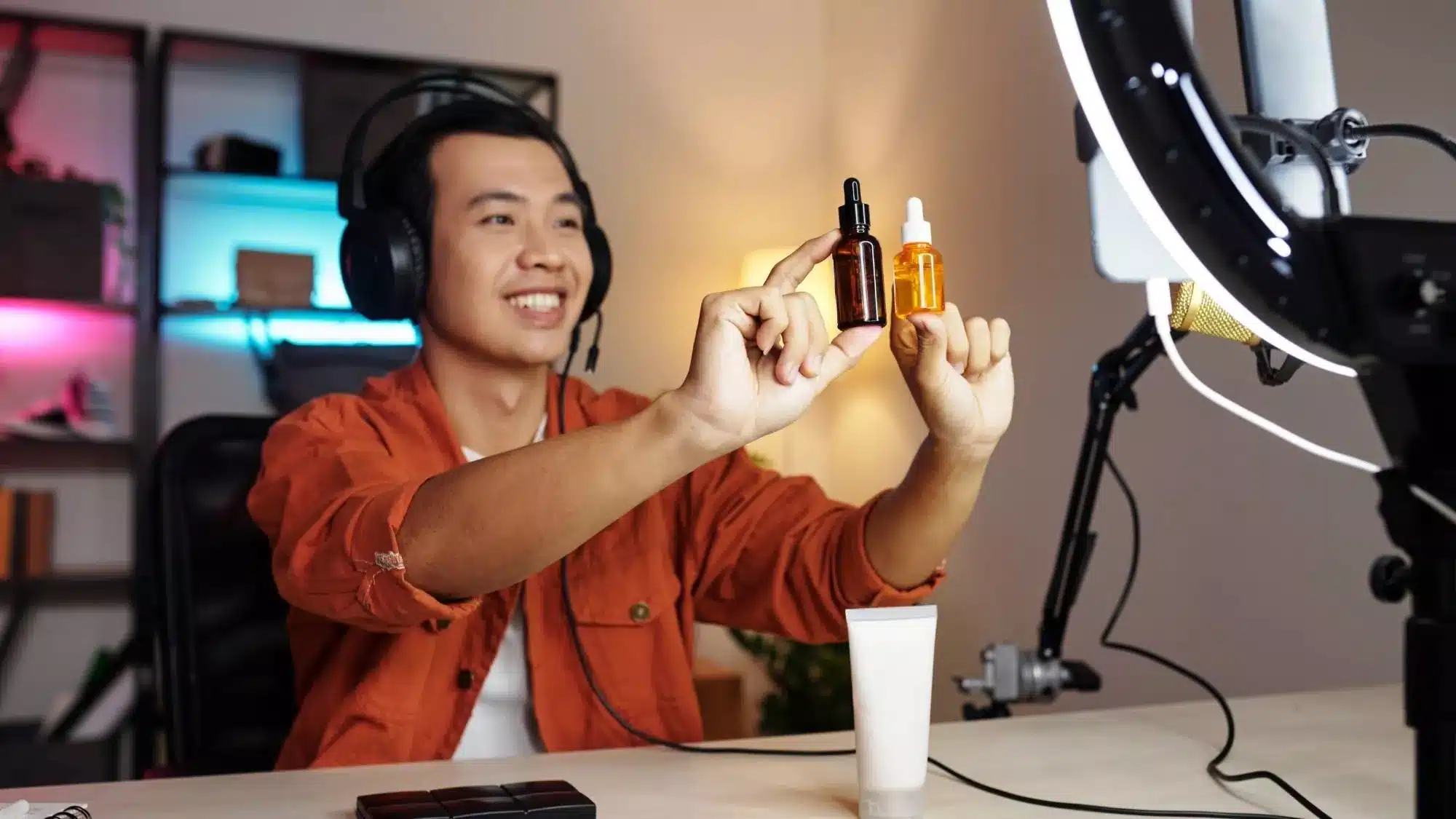
Influencer marketing for Instagram remains one of the most effective ways for new founders to build credibility fast. Unlike traditional advertising, where you’re asking strangers to trust your brand from scratch, Instagram influencers lend their existing trust to your product. They’ve spent years building relationships with their followers, and when they recommend something, it carries weight.
For founders launching a new product, this strategy offers a shortcut to visibility and validation. But it’s easy to waste money if you don’t understand how the ecosystem actually works.
At Gembah, we help entrepreneurs bring products from concept to market, and we’ve seen firsthand how smart influencer marketing can amplify a launch. The brands that succeed combine great products with strategic creator partnerships. This guide walks you through exactly how to make that happen, from finding the right influencers to measuring real results.
TL;DR: Instagram Influencer Marketing: New Founder Guide 2025
Influencer marketing for Instagram in 2025 means partnering with real people who can genuinely endorse your product to engaged audiences. This guide shows new founders how to identify the right influencers, reach out effectively, avoid costly mistakes like chasing follower counts, and build long-term partnerships that drive actual sales. You’ll learn the difference between micro and macro influencers, how much to expect to pay, and how to turn one successful post into sustained momentum for your brand.
Key Points
- Instagram drives strong ROI, with brands earning $4.12 for every dollar spent on influencer campaigns
- Micro-influencers deliver engagement rates up to 3.9%, significantly higher than larger accounts
- 86% of US marketers plan to partner with influencers in 2025
- Authenticity and audience fit matter more than follower count
- Clear contracts covering content rights and FTC disclosures protect both parties
- Long-term partnerships outperform one-off posts for brand building
Also Read:
- Go-To-Market Strategy for Shopify Products
- Launching Products on Amazon
- Guide to Out-of-Box Experience

Your Goal: Get Real People Talking About Your Brand and Product
Why Instagram Still Works
Instagram isn’t just surviving in 2025; it’s thriving for influencer marketing. The majority of Instagram influencers’ audiences fall between ages 18-34, with 43.7% aged 25-34 and 28.7% aged 18-24. These users are actively shopping, particularly in fashion, lifestyle, and wellness categories.
The visual nature of Instagram makes it perfect for product discovery. Influencers show your product in action through photos, Stories, and Reels, building trust faster than any written description. The platform’s shopping features let followers purchase immediately after seeing a recommendation, creating a direct path from discovery to conversion.
What This Guide Helps You Do
You’ll learn how to build an influencer marketing strategy from zero. That means identifying which type of influencers align with your brand, understanding fair pricing so you don’t overpay, and crafting outreach messages that get responses. We’ll cover what makes partnerships work and what causes them to fail.
This isn’t theory. Consider The Minimal Co., a sustainable home goods brand that collaborated with multiple micro-influencers (5,000-50,000 followers) focused on sustainability and lifestyle niches. With a budget under $600, they prioritized authentic testimonials and user-generated content over paid posts. The result? Their Instagram following grew from 1,000 to over 50,000 in two years, with a 300% increase in online sales within the first year. Most growth was driven organically, with minimal ad spend, proving that strategic micro-influencer partnerships deliver results even on tight budgets.
By the end, you’ll know exactly how to find influencers, what to say when you reach out, and how to structure deals that benefit both sides. You’ll also understand common mistakes that waste money so you can avoid them entirely.
What You’ll Need Before You Start
Start with a clear target customer profile. Know who buys your product, what problems it solves for them, and where they spend time online. Without this foundation, you’ll waste time reaching out to influencers whose audiences don’t match your market.
You’ll also need a realistic budget. Instagram influencer pricing varies widely based on follower count and engagement rates. Having a budget range helps you focus on the right tier of creators. Don’t worry if it’s modest; micro-influencers often deliver better results than expensive celebrity partnerships.
Finally, prepare your product and brand story. Influencers want to partner with brands they believe in. Have sample products ready to send, clear messaging about what makes your product different, and professional assets like product photos. The more prepared you are, the easier you make it for creators to say yes.
Learn the Basics: How Influencer Marketing Works
What “Influencer” Really Means
An influencer is someone whose recommendations carry weight with their audience through trust built over time. They’re content creators who’ve earned credibility in a specific niche. A fitness influencer might have strong sway over supplement purchases but zero impact on fashion buying decisions. The influence is context-specific and relationship-based.
This differs fundamentally from celebrity endorsements. Celebrities have fame, but influencers have community. Their followers often view them as friends or mentors rather than distant stars. That intimacy makes their recommendations feel more like advice from someone you trust than a paid advertisement.
Micro vs. Macro Influencers
Understanding the types of Instagram influencers helps you allocate budget wisely:
- Nano-influencers (1,000-10,000 followers): Highest engagement rates due to close follower relationships
- Micro-influencers (10,000-100,000 followers): Ideal balance between reach and engagement
- Macro-influencers (100,000-1 million followers): Broader reach but typically lower engagement
- Mega-influencers (1+ million followers): Function like traditional celebrities with polished, professional content
For new brands, micro-influencers usually offer the best value. They charge less while maintaining strong audience connections. Their followers trust their recommendations because the creator still engages personally with comments and messages. This authentic interaction translates to higher conversion rates when they endorse products.
The engagement rate gap is significant. Micro-influencers achieve average engagement rates of 3.45%, while macro-influencers average around 2.37%. That difference means more people actually paying attention to and acting on the content featuring your product.
How Collaboration Usually Works
Most Instagram influencer campaigns start with brands identifying relevant creators and sending outreach messages. If the influencer is interested, both parties discuss deliverables, timeline, and compensation. Common arrangements include flat fees for sponsored posts, affiliate commissions for sales generated, or product gifting in exchange for content.
Compensation varies by influencer tier: nano-influencers might charge $10-100 per post, micro-influencers typically range from $100-500, macro-influencers command $1,000-10,000, and mega-influencers start at $10,000 and can exceed $50,000 for a single post.
Smart brands provide creative direction while allowing influencers freedom in execution. Influencers know their audience best. When you micromanage content, it loses the authentic voice that makes influencer marketing effective. Instead, share key product benefits and brand guidelines, then trust the creator to present those points in their style.
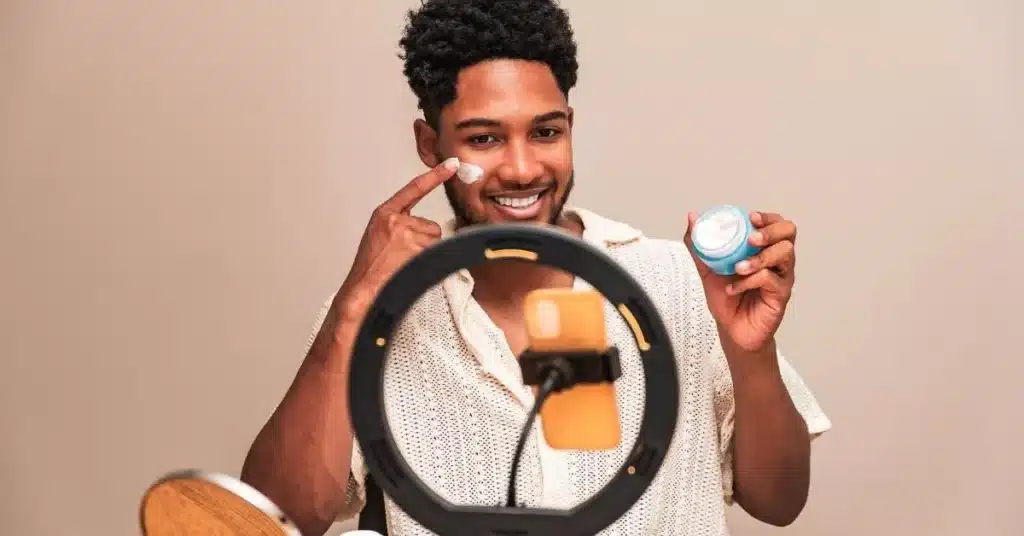
Take Action: Find and Reach Out to Influencers
How to Find the Right People
Finding Instagram influencers starts with manual research in your product category. Search relevant hashtags, explore accounts followed by your target customers, and review who your competitors are working with. Look beyond follower counts to engagement rates, comment quality, and content style alignment with your brand.
Several influencer marketing platforms streamline discovery. Tools like Upfluence, AspireIQ, and others let you filter creators by niche, location, engagement metrics, and audience demographics. These platforms often include analytics on fake followers and provide estimated pricing, saving you hours of manual vetting.
Don’t overlook your existing customers. Check who’s already tagging your brand or using your product hashtag. These organic advocates often make the best partners because they genuinely love what you sell. Their enthusiasm shines through in content more naturally than paid partnerships with creators discovering your product for the first time.
When vetting potential partners, dig into their audience quality. Nearly 58.5% of Instagram influencers have engaged in some form of follower fraud. Look for steady follower growth rather than sudden spikes, meaningful comments instead of generic emojis, and engagement rates appropriate for their follower count. Fake followers destroy campaign ROI.
How to Reach Out (Without Sounding Spammy)
Influencer communication starts with personalization. Reference specific posts you admired, explain why their content style aligns with your brand, and demonstrate you understand their audience. Generic copy-paste pitches get ignored or deleted immediately.
Keep your initial message brief but compelling. Introduce your brand, explain what makes your product relevant to their followers, and outline what you’re proposing. Be clear about compensation whether that’s payment, free product, affiliate commission, or a combination.
Make it easy for them to say yes. Include product details, your Instagram handle, and any relevant social proof. If you have samples ready to ship, say so. The less friction in the process, the higher your response rate. Many creators get dozens of partnership requests weekly, so reducing their work to evaluate yours helps you stand out.
Follow up once if you don’t hear back within a week, but respect silence as an answer. Persistent badgering damages your brand reputation in creator communities.
How to Know If It’s Working
Tracking Instagram influencer campaign performance requires clear metrics defined upfront. For awareness campaigns, monitor reach, impressions, and follower growth. For conversion-focused campaigns, track clicks, promo code usage, and sales attributed to specific creators.
Provide influencers with unique discount codes or trackable links so you can measure their individual impact. Take GlowNaturals, a clean skincare brand that partnered with 15-20 micro-influencers (8,000-40,000 followers each) in the beauty and wellness niche. With a budget under $600 focused on product gifting and minimal Instagram ads, they grew their following to over 200,000 in two years. Instagram accounted for over 75% of total sales, with a 300% increase in revenue from the platform in the first year.
What made it work? They tracked which influencers drove actual sales, not just likes. By providing unique codes, they identified which creator audiences converted best and doubled down on those relationships. Over time, patterns emerge that inform smarter partnership decisions and budget allocation.
Engagement rate on influencer posts matters more than absolute follower count. If a micro-influencer’s post about your product generates hundreds of meaningful comments and shares, that’s more valuable than a macro-influencer’s post that gets likes but little genuine interaction. Comments reveal audience interest and intent, particularly when people tag friends or ask where to buy.
Watch Out For: Common Mistakes New Brands Make
Chasing Follower Counts
Big follower numbers feel impressive, but they don’t guarantee results. Research shows that 53% of influencer campaigns miss performance goals in 2025, often because brands prioritize reach over relevance.
Consider Pierre Fabre, a dermo-cosmetic brand that initially partnered with mega-influencers based purely on follower counts. The problem? High follower counts often correlate with low engagement rates, inflated followers from bots or giveaways, and audiences misaligned with the brand’s target market. When Pierre Fabre shifted to micro-influencers with authentic engagement, they saw a 14.3-point increase in ad recall and 6.7-point boost in brand awareness, confirmed by a Meta brand lift study.
Focus on engagement rate and audience quality instead. A nano-influencer with 5,000 highly engaged followers often drives more sales than a macro-influencer with 500,000 passive followers. Check the comments section on potential partners’ posts. Genuine engagement includes specific questions, detailed reactions, and conversations. Red flags include generic comments like “Nice pic,” excessive emojis with no substance, or many comments from accounts with few followers themselves.
Review follower growth patterns too. Sudden spikes in follower counts not aligned with viral content or media exposure typically indicate bought followers. Authentic influencers show steady, organic growth as they consistently deliver value to their audience. Approximately 9.5% of Instagram accounts are estimated to be bots.
Paying Too Much Too Soon
Start small to test fit before committing significant budget. Many successful influencer marketing strategies begin with gifting products to micro-influencers, then scaling investment with creators who demonstrate strong results. This approach minimizes risk while you learn what messaging and content styles convert.
Don’t assume expensive equals effective. Mega-influencers charge premium rates but often deliver lower engagement and less targeted audiences than micro-influencers. For niche products, a well-chosen micro-influencer at $100-500 per post frequently outperforms a macro-influencer at $10,000.
Test multiple micro-influencers before investing in a single macro-influencer. Spreading budget across five micro-influencers at $200 each gives you more data points and audience diversity than putting $1,000 into one larger creator. This diversification strategy reduces risk and helps identify which influencer types work best for your product.
Ignoring Fit and Authenticity
Influencer marketing for brands only works when there’s genuine alignment. Consider the FTC fine case involving a major beauty brand that partnered with Instagram influencers to promote a new foundation with “filter-like skin in real life” coverage. The problem? Influencers used heavy beauty filters and AI-enhanced editing in their sponsored posts, directly contradicting the product’s marketing claims. When viewers noticed the foundation’s real effects weren’t actually being demonstrated, both the brand and influencers faced FTC fines. More importantly, consumers felt betrayed, perceiving influencers as prioritizing sponsorship money over honesty.
Research an influencer’s past partnerships and content themes thoroughly. Do they regularly work with brands in your category? Have they posted about problems your product solves? The more naturally your product fits their content, the more authentic their endorsement will feel.
Give creators creative control. The biggest mistake is forcing scripted content that sounds nothing like the creator’s normal voice. Their audience follows them for their unique perspective and personality. When you strip that away, the content becomes just another ad that viewers scroll past. Authentic collaborations where the creator genuinely enjoys and uses your product create compelling content that drives action.
Forgetting Rights and Disclosures
Legal compliance protects your brand and your influencer partners. The FTC requires clear, conspicuous disclosures for paid partnerships. Influencers must use unambiguous language like “Ad,” “Sponsored,” or “Paid Partnership” placed prominently, ideally within the first 100 characters of captions.
Platform labels alone aren’t sufficient. While Instagram’s “Paid partnership with” tag helps, FTC guidance requires manual disclosure in the post’s text as well. Both brands and influencers face legal liability for inadequate disclosures, with fines reaching $51,744 per violation.
Define content rights upfront in your influencer contract. Can you repurpose their content in your own ads? For how long? On which platforms? Many brands miss opportunities to extend campaign value by failing to secure usage rights for influencer-generated content. This content typically outperforms brand-created ads because it feels more authentic.
Protect yourself with clear agreements covering deliverables, timeline, compensation, approval processes, and cancellation terms. Written contracts prevent misunderstandings that could turn into disputes.
Next Moves: Build Momentum Over Time
Turn One Post Into a Partnership
Long-term Instagram influencer partnerships deliver compounding benefits. When an influencer mentions your product multiple times across months, their audience starts recognizing your brand. This repeated exposure builds familiarity and trust more effectively than one-off posts.
TrendWear, an affordable trend-driven apparel brand, demonstrates this approach. They worked with 10 style-focused micro-influencers (7,000-30,000 followers) whose communities reflected TrendWear’s audience. Rather than one-off posts, they emphasized ongoing collaborations through outfit reels and user-generated content shoutouts. Focusing on exchange deals (product for posts) rather than large payments, they spent under $2,000 primarily on product gifting and minimal post amplification. The result? Instagram Shopping enabled a 250% increase in sales within two years, with high engagement rates above category average. Brand credibility and community grew through authentic influencer content and ongoing collaborations, not one-off posts.
Identify top performers from initial campaigns and propose ongoing ambassador relationships. Offer exclusive perks like early access to new products, behind-the-scenes content, or higher commission rates. These incentives make influencers feel valued and invested in your brand’s success.
At Gembah, we’ve seen how sustained creator relationships can drive product iteration and improvement. Influencers who use products regularly provide valuable feedback that enhances future versions. This creates a virtuous cycle where better products lead to more authentic endorsements.
Ambassador programs formalize ongoing relationships with clear expectations and regular content schedules. A six to twelve-month contract might include monthly posts, Stories, and early product reviews. This predictable content flow maintains brand visibility while allowing the influencer to integrate your product naturally into their content calendar.
Build a Simple Creator Spreadsheet
Organization separates successful influencer campaigns from chaotic ones. Create a spreadsheet tracking each creator’s name, contact information, follower count, engagement rate, content style, compensation, deliverables, and performance metrics. This database becomes invaluable as your program scales.
Track what works and what doesn’t. Note which influencers drove the most engagement, which content formats performed best, and which calls-to-action generated sales. Over time, patterns emerge that inform smarter partnership decisions and budget allocation.
Include notes on communication quality and professionalism. Some creators deliver on time, respond quickly, and exceed expectations. Others require constant follow-ups and produce subpar content. This qualitative data helps you prioritize creators worth working with again and avoid repeating mistakes.
Combine Creator Content With Ads
Repurposing influencer content in paid advertising amplifies reach beyond the creator’s organic audience. Meta’s own research shows ads featuring creator content typically outperform traditional brand ads because they feel more informative, relevant, and entertaining to viewers.
Secure explicit usage rights in your initial agreements to enable this strategy. Specify which platforms you can use the content on, for how long, and whether you can edit it. Clear permissions prevent legal issues and allow flexibility in campaign execution.
Instagram’s branded content tools make running ads with creator content straightforward. These platform tools maintain proper attribution and disclosure while giving you access to Instagram’s targeting capabilities. You get the authenticity of influencer content combined with precise audience targeting.
Test creator content variations in ads to identify what resonates. Try different hooks, CTAs, or formats using the same base influencer content. Brands often see 20-30% higher click-through rates when using authentic creator content versus traditional brand ads.
Conclusion
Instagram influencer marketing gives new founders a proven path to build credibility and drive sales quickly. Success comes from choosing the right influencers based on engagement and audience fit rather than follower counts, structuring fair deals that align incentives, and building long-term relationships that compound your brand’s reach over time.
Start small and scale what works. Test multiple micro-influencers before investing heavily in larger creators. Track results rigorously to identify which partnerships drive actual revenue versus vanity metrics. Give creators creative freedom while ensuring proper disclosures and securing content rights.
The brands winning with influencer marketing in 2025 treat creators as partners rather than advertising channels. They invest in relationships, respect creative input, and collaborate to create content that serves both the audience and business goals. This approach requires more effort upfront but delivers sustainable results that paid ads alone can’t match.
Gembah helps founders not just develop great products, but bring them to market successfully. Our end-to-end product development services ensure you have a market-ready product worth promoting. Combined with smart influencer partnerships, you can build a brand that attracts loyal customers and grows predictably. Contact Gembah to discuss how we can support your product development and go-to-market strategy.