In 2026, China’s manufacturing sector remains one of the most important forces in global supply chains, but it is no longer the automatic low-cost answer for every product. Rising labor costs, shifting tariff rules, export controls, compliance pressure, logistics risk, and IP concerns are forcing many small and medium-sized businesses (SMBs) to rethink how much China exposure makes sense.
This guide delves into the key challenges for SMBs dependent on Chinese manufacturing. Discover alternative manufacturing destinations, actionable strategies for business continuity, and ways to adapt to the ever-changing market landscape.
Key Takeaways
- China remains a manufacturing powerhouse, but its role is shifting as tariffs, labor costs, export controls, and compliance demands make single-country sourcing riskier.
- Countries like Vietnam, Mexico, and India can offer strong alternatives for certain products, but the best fit depends on materials, tooling, labor needs, supplier depth, compliance, and total landed cost.
- SMBs should avoid a rushed China exit. The stronger move is usually a staged China Plus One or multi-sourcing strategy backed by supplier audits, IP protection, testing, and clear cost modeling.
The Shifting Role of China in Global Manufacturing
For over four decades, China has been the epicenter of global manufacturing, offering low-cost labor, well-established supply chains, and scalable production capabilities. Its dominance was built on export-driven growth, attracting foreign investment across industries like electronics, textiles, automotive, and consumer goods.
China is still difficult to replace. Official data reported that China’s value-added industrial output grew 5.9% year over year in 2025, with manufacturing output up 6.4%. That means the challenge for SMBs is not simply whether China is “good” or “bad.” The real question is which products still belong in China, which should move elsewhere, and which need a diversified manufacturing footprint.
As 2026 unfolds, China’s manufacturing model is evolving, driven by cost pressures, government policies, global economic shifts, and more strategic competition over critical inputs. This transition is not just a short-term fluctuation—it signals a long-term transformation in global supply chains. Let’s dive deeper into some of the problems affecting Chinese manufacturing and how they stand to affect the global economy.

#1: Tariffs & Trade Barriers
Increased trade tensions have resulted in higher tariffs and trade restrictions, affecting global manufacturing decisions. As countries continuously reevaluate their trade policies, SMBs must stay agile and in touch with global trade dynamics.
Impact of U.S.-China Trade Relations
The U.S.-China trade environment has become harder to plan around because tariff authorities, rates, exemptions, and court rulings can change quickly. In March 2025, U.S. Customs and Border Protection said it was collecting an additional 20% tariff on goods from China and Hong Kong under International Emergency Economic Powers Act orders. Later, the legal landscape shifted again when the Supreme Court held in Learning Resources, Inc. v. Trump that IEEPA does not authorize the President to impose tariffs. For SMBs, the lesson is clear: do not build a sourcing plan around one tariff snapshot. Build a plan that can absorb policy volatility.
Other tariff programs and trade restrictions may still apply depending on the product, country of origin, HTS code, and statutory authority. USTR Section 301 actions, product-specific tariffs, antidumping or countervailing duties, and customs classification decisions can all affect landed cost. SMBs should review tariff exposure by SKU and model landed cost under multiple scenarios before shifting factories or committing to inventory.
New export restrictions from China have also limited or complicated access to critical raw materials such as rare earth elements and battery-related inputs. In 2025, China’s Ministry of Commerce and General Administration of Customs issued export controls on some medium and heavy rare earth-related items, requiring exporters to apply for licenses for controlled goods. These controls make certain electronics, magnets, batteries, motors, clean-energy products, and advanced manufacturing supply chains more vulnerable to policy shifts.
Global Trade Dynamics
Geopolitical tensions have led countries to reassess their trade policies, resulting in potential non-tariff barriers and stricter compliance requirements. Governments worldwide are implementing more rigorous import/export controls, certification mandates, and supply chain transparency laws, making it more difficult for SMBs to navigate cross-border commerce. For example, the European Union’s Carbon Border Adjustment Mechanism entered its definitive regime in 2026 and applies first to certain carbon-intensive goods such as cement, iron and steel, aluminum, fertilizers, electricity, and hydrogen.
As nations seek to safeguard economic interests, industries that rely on global supply chains face more administrative and financial burdens. China has responded to Western protectionist policies by restricting access to key raw materials, such as rare earth metals essential for electronics and electric vehicles, causing price fluctuations and supply uncertainty. Meanwhile, countries like India and Vietnam are using manufacturing incentives and trade agreements to attract companies looking to reduce tariff and regulatory complexity in China. These shifting trade policies are redefining global manufacturing networks, forcing SMBs to reassess sourcing strategies, regulatory requirements, and long-term cost implications.
#2: Rising Labor & Production Costs
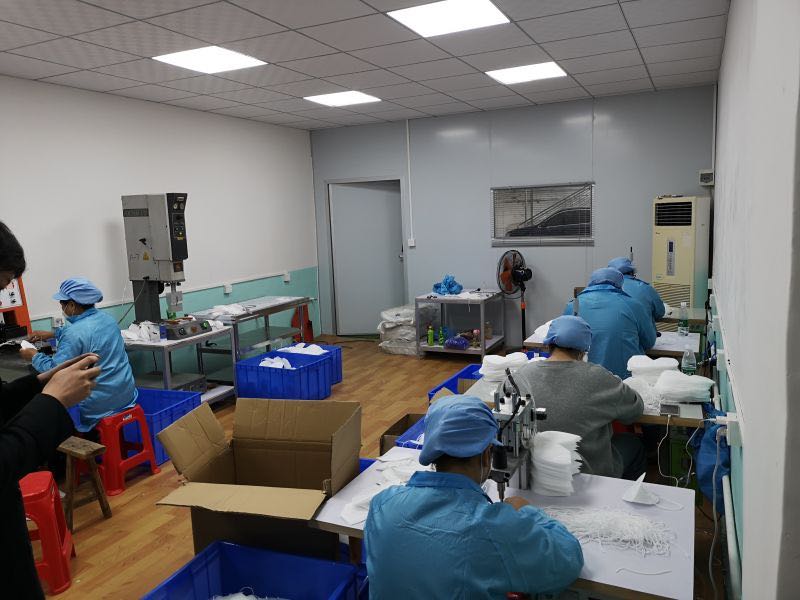
China’s manufacturing sector is facing cost pressure from wage growth, higher operational expenses, environmental enforcement, technology upgrades, and more complex compliance expectations. While China was historically known for cost-effective labor, it is now often a better fit for products that need supplier depth, engineering support, tooling, speed, or component ecosystems—not simply the lowest labor rate.
Wage Inflation in China
China’s labor-cost picture continues to change. The National Bureau of Statistics reported that in 2024, average annual wages in urban non-private manufacturing units reached 107,987 yuan, up 3.9% from 2023. Among enterprises above the designated size, average annual wages for personnel engaged in production and manufacturing reached 78,561 yuan. These figures show that China is no longer the same low-wage manufacturing base it was a decade ago.
This wage growth has made China increasingly expensive compared to some neighboring manufacturing hubs. Vietnam, India, Indonesia, and parts of Southeast Asia can be attractive for labor-intensive products, while Mexico can offer proximity advantages for North American brands. As a result, many SMBs are reconsidering their reliance on Chinese factories, particularly for products where manual assembly is a large share of cost.
Increased Operational Expenses
Beyond wages, manufacturers in China are contending with rising operational costs tied to energy, factory compliance, environmental rules, audits, waste handling, worker safety, and more sophisticated production systems. These pressures do not affect every factory equally, but they can raise costs for labor-intensive and high-emission industries such as textiles, electronics, plastics, and chemical manufacturing.
For SMBs, these rising expenses create pricing challenges. Businesses may need to absorb higher costs, pass them on to consumers, redesign products for lower production cost, or seek alternative production hubs with more stable cost structures. This trend is accelerating interest in Southeast Asia, India, Mexico, and nearshore options, especially where product design and supplier requirements are not tied to China’s deep component ecosystem.
#3: Supply Chain Disruptions & Logistics Issues
China’s role as the world’s largest exporter has made its supply chain dynamics critical to global commerce. However, ongoing disruptions—ranging from shipping delays and port congestion to geopolitical conflicts, customs changes, and regulatory shifts—continue to create challenges for businesses that rely on Chinese manufacturing. Small and medium-sized businesses (SMBs), which often lack the resources and supply chain flexibility of larger corporations, can feel the impact the most.
The COVID-19 pandemic exposed vulnerabilities in global supply chains, and many of those problems have been replaced by new risks. Port congestion, route disruptions, fuel costs, weather events, customs delays, and sudden policy changes can all affect shipment timing and landed cost. Shipping times from China to major Western markets can still vary widely depending on route, season, carrier reliability, and customs requirements.
The stronger strategy is not simply “leave China.” It is to map where each product’s risk sits: components, materials, tooling, labor, final assembly, packaging, compliance testing, freight, or customs. Once SMBs know the weak points, they can decide whether to diversify suppliers, add safety stock, nearshore final assembly, or keep China as the main production base while building backup capacity elsewhere.

#4: Compliance & Regulatory Uncertainty
China’s regulatory landscape has become more complex, placing a significant burden on manufacturers operating within the country. Environmental rules, labor regulations, export controls, cybersecurity concerns, and global trade compliance standards can all raise costs or slow production for small and medium-sized businesses (SMBs). Navigating these evolving regulations is critical for businesses looking to maintain uninterrupted production while avoiding legal risks.
Stricter Manufacturing & Trade Regulations in China
China has implemented more aggressive environmental regulations, requiring manufacturers to adopt cleaner production methods, reduce emissions, and invest in sustainable practices. Factories that fail to meet these environmental standards risk shutdowns, penalties, or restrictions on exports. This has led to increased compliance costs, particularly in labor-intensive and high-emission industries such as textiles, electronics, and chemical manufacturing.
Labor laws and factory inspections also matter. Buyers should not assume that a supplier’s old audit is still enough. For SMBs relying on Chinese manufacturers, this means added due diligence is required to ensure suppliers adhere to evolving labor, environmental, customs, and export-control policies.
Global Trade Compliance & Its Impact on SMBs
Beyond domestic regulations, manufacturers exporting from China must also comply with stricter global trade standards. The European Union’s Registration, Evaluation, Authorization, and Restriction of Chemicals (REACH) law imposes chemical safety requirements on products entering EU markets, affecting industries such as consumer electronics, textiles, toys, and consumer goods. Similarly, the U.S. Consumer Product Safety Commission (CPSC) enforces strict product safety regulations, particularly for children’s toys, electronics, and household goods.
Non-compliance with these regulations can lead to product recalls, fines, shipment holds, marketplace listing removals, and restricted market access. Many businesses are now conducting more frequent third-party product testing and implementing stricter quality control protocols to avoid compliance issues when exporting to Western markets. For children’s products and toys, SMBs should review applicable CPSC rules early because testing and certification requirements can affect design, materials, packaging, labeling, and production timing.
#5: Intellectual Property (IP) & Quality Control Risks
Despite China’s manufacturing dominance, intellectual property (IP) protection remains a concern for foreign companies. Enforcement has improved in some areas, but counterfeiting, unauthorized duplication, and supplier-side misuse of product files can still pose risks for SMBs. Additionally, quality control inconsistencies in some manufacturing facilities can lead to defective products, missed specifications, and material substitutions.
The Risks of IP Theft & Counterfeiting in China
IP risk is not unique to China, but China requires careful planning because of the scale of manufacturing and the complexity of enforcement. The USPTO has warned that U.S. companies doing business in or with entities in China face challenges in protecting and enforcing IP rights and maintains dedicated resources for China IP strategy. SMBs should register relevant trademarks, patents, and design rights in China and other manufacturing or sales markets before sharing sensitive files widely.
Even with patents and trademarks registered in China, enforcement can be costly and time-consuming for SMBs. Many businesses reduce exposure by limiting the information one supplier receives, using strong manufacturing agreements, controlling molds and tooling, registering IP early, and working with sourcing partners who understand supplier vetting and confidentiality controls.

Quality Control & Material Substitutions
Quality control and material substitutions are challenges that manufacturers can face in any country, and China is no exception. In some cases, factories may replace original materials with cheaper alternatives without informing clients, leading to defective products that fail to meet regulatory or safety standards. This is particularly concerning for industries such as medical devices, consumer electronics, and children’s toys, where strict safety regulations apply.
To mitigate these risks, many SMBs are increasing their investment in third-party audits, on-site inspections, pre-shipment inspections, lab testing, retained samples, and quality assurance programs. Working with trusted suppliers, implementing stricter production agreements, and securing regular factory evaluations can help ensure that final products meet expected standards.
Exploring Alternative Manufacturing Partners to China
While China’s manufacturing sector has long been the dominant hub for global manufacturing, shifting economic conditions, tariffs, and supply chain disruptions have led many SMBs to explore alternative production locations. Countries like India, Vietnam, Mexico, and Western Europe offer unique advantages and challenges that SMBs should evaluate before transitioning.
India
India presents a compelling alternative to China with its large workforce, competitive labor costs, and government initiatives like “Make in India” and Production Linked Incentive (PLI) schemes. The country is particularly relevant for textiles, engineering, pharmaceuticals, automotive components, and a growing electronics manufacturing base. However, businesses must navigate infrastructure gaps, bureaucratic complexity, and logistics variability, which can pose challenges for companies requiring seamless supply chain integration.
Vietnam
Vietnam has positioned itself as a growing manufacturing hub, especially for textiles, apparel, furniture, footwear, consumer goods, and electronics assembly. With competitive labor costs and strong trade agreements like the Comprehensive and Progressive Agreement for Trans-Pacific Partnership (CPTPP) and Regional Comprehensive Economic Partnership (RCEP), it offers favorable conditions for exporters. However, Vietnam’s reliance on imported raw materials and limited capacity in some high-tech manufacturing categories can be constraints for businesses needing more advanced production capabilities.
Mexico
Mexico provides a strong nearshoring option for North American businesses due to its proximity, reduced transit times, and trade benefits under the United States-Mexico-Canada Agreement (USMCA) when products meet origin rules. The country is a key player in automotive, aerospace, medical devices, industrial manufacturing, and some consumer goods categories. While it offers logistical advantages, Mexico’s higher labor costs compared to parts of Southeast Asia and security concerns in certain regions require careful risk assessment.
Western Europe
Western Europe is ideal for high-quality, precision-based manufacturing, particularly in industries like medical devices, aerospace, advanced electronics, specialty machinery, and premium goods. Strong intellectual property protections and automation-driven production support consistent quality and compliance with strict regulatory standards. However, significantly higher labor costs and limited capacity for large-scale, low-cost mass production make it less suitable for budget-conscious SMBs seeking high-volume output.
Other Viable Alternatives to Consider
Several other countries are emerging as competitive manufacturing alternatives. Thailand offers incentives for electronics and automotive production, while Indonesia is expanding its industrial base despite infrastructure limitations. Malaysia has a well-established semiconductor and electronics sector with a stable business environment. Meanwhile, Turkey, positioned between Europe and Asia, provides a skilled workforce and easy access to EU markets, making it a strategic location for manufacturers looking to serve multiple regions.
Actionable Strategies for SMBs
Given these challenges, SMBs must prioritize resilience and efficiency in their manufacturing strategies. From negotiating better terms with existing suppliers to adopting automation and better supply chain tools, several actionable strategies can help businesses navigate the complexities of the current manufacturing landscape.
Negotiate with Existing Suppliers
Bulk purchasing agreements, extended payment terms, alternate materials, packaging redesigns, or cost-sharing arrangements can reduce the impact of tariffs and rising costs. Strong supplier relationships can lead to better terms and collaborative cost-saving initiatives. Strategic negotiation tactics, such as emphasizing long-term relationships and mutual benefits, can foster better terms.
Develop a Multi-Sourcing Strategy
Engaging multiple suppliers across different regions mitigates risks associated with over-reliance on a single source. Establishing regional manufacturing hubs closer to key markets reduces shipping times and costs. Utilizing suppliers from diverse geographical regions enhances supply chain resilience against disruptions.
Assess Government Incentives & Trade Agreements
Investigate and apply for tax benefits, grants, and subsidies from alternative manufacturing countries to offset relocation expenses. Utilize favorable trade agreements to minimize tariffs and enhance market access. Staying informed about policy changes can help businesses capitalize on new incentives for manufacturing relocations.
Adopt AI & Automation for Smarter Supply Chain Management
Implementing automation and AI-driven solutions can increase operational efficiency and reduce dependence on manual labor. Supply chain management software can offer real-time tracking, predictive analytics, and inventory visibility, helping SMBs forecast demand patterns and align resources more accurately.
Strengthen Intellectual Property Protections
Registering intellectual property in China and key alternative manufacturing locations helps prevent unauthorized use. Regular audits and collaboration with third-party inspectors can maintain product quality and compliance. Establishing robust IP protection strategies can significantly enhance a company’s competitive edge in international markets.
Navigating China’s Manufacturing Challenges & Moving Forward
As China’s role in global manufacturing shifts due to rising costs, trade tensions, export controls, and supply chain disruptions, SMBs must adapt to remain competitive. Tariffs, labor expenses, compliance regulations, IP risk, and logistical uncertainty can make it difficult for businesses to rely solely on Chinese manufacturing. At the same time, alternative markets like Vietnam, Mexico, India, and Western Europe are emerging as viable production hubs, offering unique advantages based on industry needs.
The key to success lies in strategic decision-making. SMBs should assess government incentives, trade agreements, product-specific tariff exposure, supplier diversification, quality systems, and compliance requirements to minimize risks and optimize costs. Leveraging automation, supplier visibility, and digital supply chain management tools can improve efficiency, while negotiating better terms with existing suppliers can help mitigate immediate financial pressures.
China remains a significant manufacturing player, but businesses that explore diversified sourcing strategies and embrace new production models will be better positioned to navigate ongoing disruptions. By taking a proactive approach, SMBs can build more resilient, cost-effective, and scalable manufacturing operations for the years ahead.
Frequently Asked Questions
What are the biggest risks of manufacturing in China in 2026?
The major risks of manufacturing in China in 2026 include tariff uncertainty, rising labor costs, export controls, supply chain delays, compliance requirements, IP exposure, and quality-control drift. The level of risk depends heavily on the product category, supplier, materials, and destination market.
How can SMBs reduce tariff costs when sourcing from China?
SMBs can reduce tariff costs by confirming HTS classifications, modeling total landed cost by SKU, checking eligibility for exclusions or alternative duty treatment, shifting some production to alternative locations, redesigning products, negotiating with suppliers, and using trade agreements where rules of origin are satisfied.
How can SMBs negotiate better terms with Chinese suppliers?
SMBs can negotiate better terms with Chinese suppliers by sharing forecasts, consolidating volume, asking for material alternatives, securing bulk order discounts, requesting extended payment terms, clarifying quality expectations, and building longer-term relationships that create value for both sides.
How does AI help SMBs improve supply chain efficiency?
AI can improve supply chain efficiency by supporting demand forecasting, inventory planning, supplier tracking, quality control, and logistics optimization. It is most useful when paired with clean data, clear supplier processes, and human oversight.
What are the best alternatives to China for SMBs?
The best alternatives to China for SMBs include Vietnam, Mexico, India, Malaysia, Thailand, Indonesia, Turkey, and some European markets, depending on product needs. Vietnam can fit textiles and consumer goods, Mexico is strong for nearshoring to North America, India offers scale and incentives in several sectors, and Western Europe can fit high-precision or regulated products. The best option depends on supplier capability, landed cost, compliance, lead time, tooling, and risk tolerance.