TL;DR:
Overseas manufacturing can reduce production costs and give you access to specialized factories. Longer delivery times, quality oversight and communication add work. Compare total landed cost and supplier capability before choosing a country or committing to an order.
What Is Overseas Manufacturing?
Overseas manufacturing means producing goods in another country before importing them into your target market. Brands use it to access specialized factories, add capacity or reduce production costs. Overseas production also requires planning for freight, quality control and import duties.
Lower factory prices are only one part of the decision. This Harvard Business Review discussion of manufacturing location explains why moving production involves more than labor costs. Compare the supplier’s capability and the full cost of getting finished goods to your customers.
Choose a manufacturing partner based on your product requirements and expected order volume. A country shortlist can help you find factories, but it doesn’t replace checking each supplier.
For a more detailed country comparison, review Gembah’s manufacturing guides for China, Vietnam, India and Mexico before choosing a production region.
Domestic vs. Overseas Manufacturing Comparison
Compare quotes against the same specifications, order quantity and delivery terms. These are common differences to investigate, not guarantees about every domestic or overseas factory.
| Factor | Domestic manufacturing | Overseas manufacturing |
|---|---|---|
| Unit cost | Compare the quoted production cost | Compare production cost plus import expenses |
| Lead time | May offer shorter delivery routes | Allow for international freight and customs |
| Oversight | Easier to visit and manage | Requires stronger quality control systems |
| Supplier options | May be limited by product category | Often broader in mature manufacturing hubs |
| Freight risk | Usually fewer international transport steps | Exposure to international routes and border delays |
| Best fit | Speed, control, smaller runs or domestic-origin positioning | Cost efficiency, scale, specialized capacity or supplier depth |
Overseas Manufacturing Pros and Cons at a Glance
| Potential advantage | Trade-off to check |
|---|---|
| Potentially lower labor costs | Freight, duties and other expenses can reduce the savings. |
| Access to manufacturing clusters | Factory capability and quality still need verification. |
| Capacity for larger orders | Minimum orders can tie up cash and increase inventory risk. |
| Nearby material and component suppliers | Supplier location and availability vary by product. |
| Workers experienced in your product category | Distance and communication can complicate oversight. |
5 Advantages of Using Overseas Manufacturers
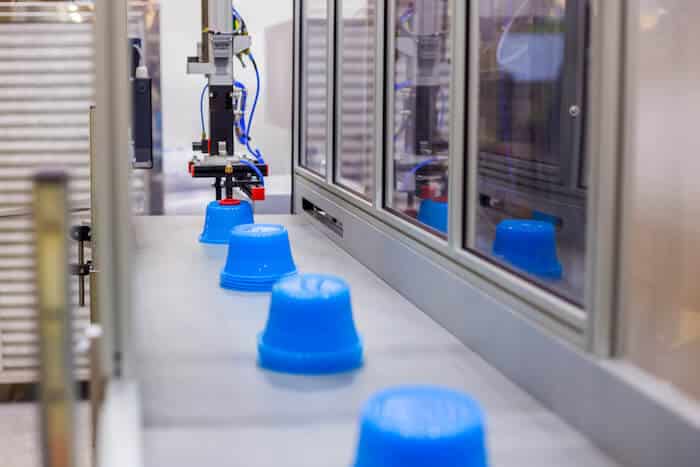
1. Lower Labor Costs
Lower labor costs can reduce the price of labor-intensive products. The savings vary by location, worker skill and production process. Use manufacturing wage comparisons as background, then get quotes for your actual product. Compare options such as Vietnam manufacturing using total landed cost rather than wage ratios alone.
2. A Large Number of Manufacturing Partners
Manufacturing clusters can give you access to factories and nearby suppliers with experience in your product category. Historical global manufacturing output comparisons provide country-level context. Research manufacturing hubs in Southeast Asia as well. Then verify individual factories instead of treating a country’s output as proof of supplier quality.
3. High-Volume Capacity
Some overseas factories have equipment and production lines suited to large orders. Confirm available capacity and lead times for your product before relying on them. Ask about minimum order quantities and price breaks. A lower unit price can still require more inventory than your business can afford.
4. Proximity to Suppliers of Raw Materials and Components
A factory located near the materials or components your product needs can reduce inbound transport and coordination. Check where those inputs come from and whether the supplier has reliable access to them.
Both domestic and overseas factories can depend on imported components. Identify long-lead parts and confirm alternatives before placing an order. Ask what happens if a key supplier misses a delivery.
5. Plenty of Skilled Labor and Talent
Look for workers experienced in the processes your product requires, such as sewing, molding or electronics assembly. BLS job-openings data can provide U.S. labor-market context. Reports on workforce training in Asia offer background, but neither replaces reviewing a factory’s staffing, training and relevant samples.
5 Disadvantages of Manufacturing Overseas

1. Higher Shipping Rates and Longer Lead Times
Budget for freight, insurance, customs handling and tariffs and other fees. Confirm applicable duties using the product classification, country of origin and current rules. Compare total landed cost before deciding whether the overseas quote saves money.
Allow time for production, inspection and delivery to your warehouse. Ask the factory for its holiday shutdown dates and booking deadlines. Shipping congestion or component delays can affect the schedule, so set reorder dates using realistic lead times.
2. Lack of Oversight
Distance makes factory visits and hands-on oversight more expensive. Plan how you’ll approve samples, verify progress and inspect finished goods. Include travel or local inspection costs in the sourcing budget.
A production management partner can help coordinate factory communication and quality checks. Confirm the scope, inspection schedule and reporting process before hiring one. Video calls can support communication, but physical inspections may still be needed.
3. Language and Cultural Barriers
Different languages, time zones and working practices can cause misunderstandings. Use written specifications, approved samples and clear deadlines. Ask the factory to confirm changes in writing before they affect production.
A local representative or interpreter can help with communication. Agree on who can approve changes and how problems will be reported. Keep records of decisions so everyone works from the same requirements.
4. Problems With Customer Service
Customers and retailers expect your brand to resolve delays and defects. Agree with the factory on how rejected goods, rework and replacement orders will be handled. Keep a customer-response plan and enough budget to manage problems after delivery.
5. Safety Risks
Review worker safety, labor practices and environmental controls at the factory level. Ask for relevant audit reports and check whether the findings have been addressed. Gembah’s factory sourcing support can help you assess suppliers, but each project still needs checks matched to its product and market.
Overseas Manufacturing Readiness Checklist
Include production, shipping, duties and quality checks in your cost comparison. Define the product specifications and inspection plan before ordering. Record the assumptions behind your budget and delivery schedule so you can revise them when conditions change.
- Clear product specifications, drawings, samples and material requirements
- Target landed cost, including production, freight, duties, fees and warehousing
- Expected order quantity, reorder timing and minimum order quantity limits
- Quality standard, inspection plan and approved sample process
- Packaging, labeling, compliance and marketplace or retailer requirements
- Tariff estimate, shipping route, lead time and backup supplier plan
- Local support or a partner who can communicate with the factory and verify progress
Frequently Asked Questions About Overseas Manufacturing
Which country is best for manufacturing?
Choose a country based on the factories, materials and production processes your product needs. Compare total landed cost, quality support and delivery time. Review the country guides above, then verify suppliers against the same requirements.
Is Chinese manufacturing better than U.S. manufacturing?
Neither location is better for every product. A Chinese supplier might offer the equipment or supplier network you need, while a U.S. supplier might offer easier visits or shorter delivery routes. Compare specific factories using the same specifications and order quantity.
What are the pros and cons of manufacturing overseas?
Potential advantages include lower production costs, access to specialized factories and capacity for larger orders. Trade-offs include longer delivery routes, import expenses and more work to verify quality. Compare those factors using quotes and a project-specific sourcing plan.
What are the pros and cons of outsourcing manufacturing?
Outsourcing lets you use a factory’s equipment and workforce without building your own production operation. You still need to manage specifications, supplier performance and quality. Confirm minimum orders, ownership of tooling and how defects or delays will be handled before committing.
Make an Informed Decision on Overseas Manufacturers
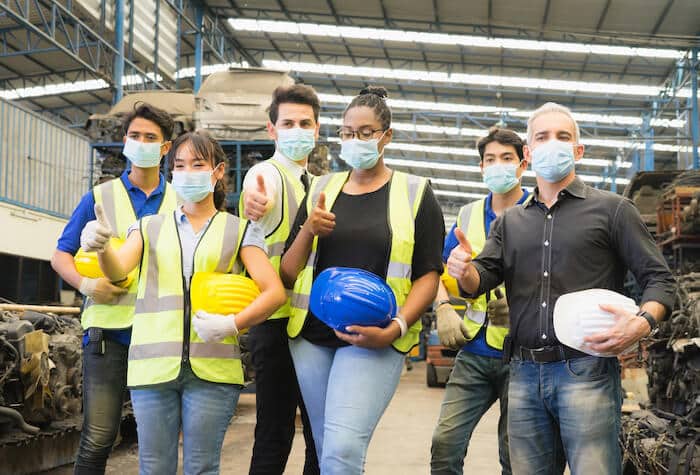
Assign responsibility for supplier selection, quality checks and delivery. Your team should understand the product requirements and be able to verify the factory’s work.
Gembah can help you assess sourcing options for your product. Bring your specifications, expected order quantity and target delivery date. Talk with Gembah about your overseas manufacturing plan and identify what needs checking before you commit to a factory.