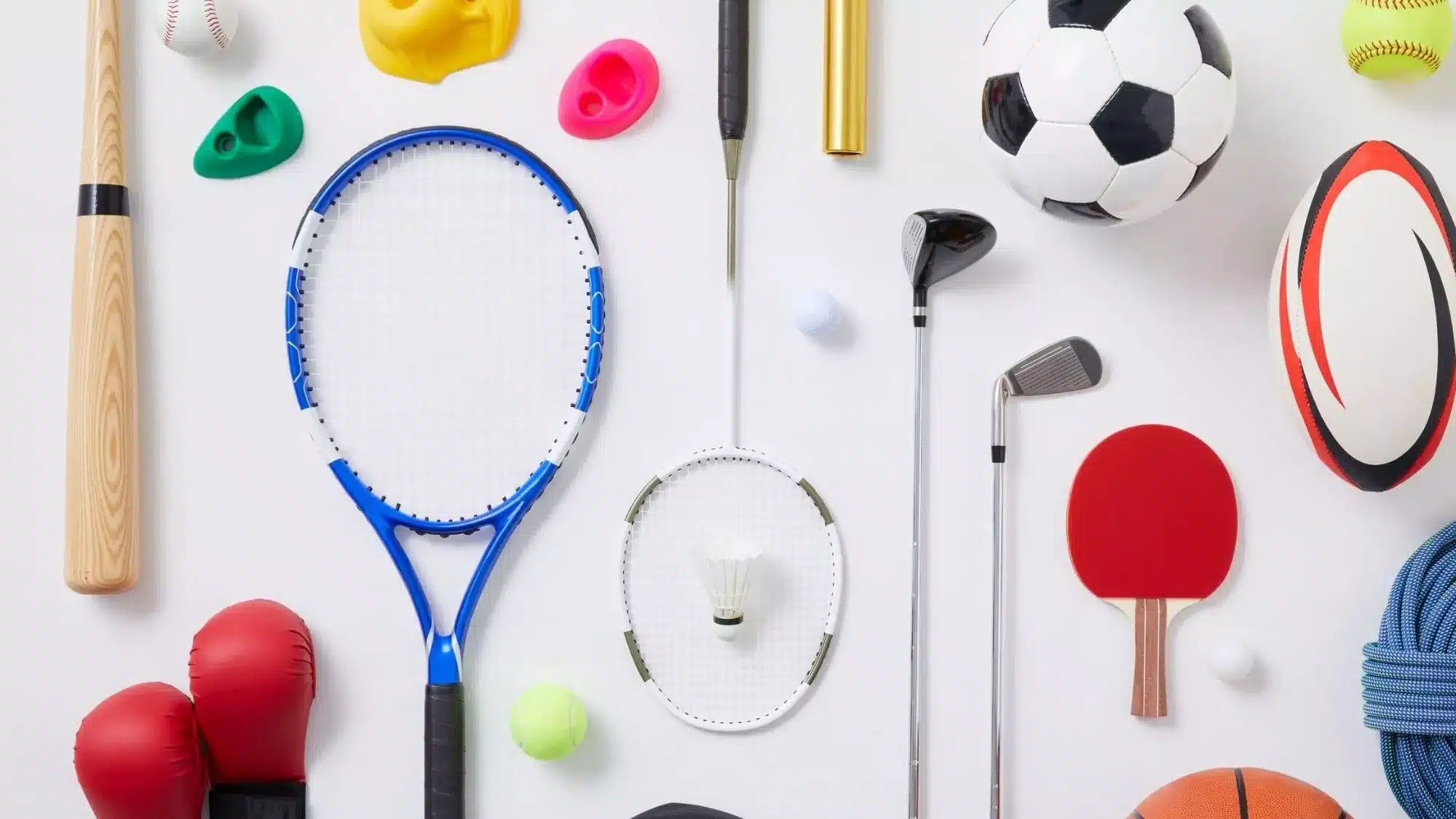
White label sporting goods let you launch a credible sports brand fast without building a factory or managing complex production. You pick proven products, add your brand, and focus on positioning, packaging, and sales while vetted manufacturers handle the heavy lifting. If you want a partner to source suppliers, manage quality, and keep timelines tight, talk to Gembah’s team.
Contact Gembah to scope your launch and get started with your white label sporting goods product.
TL;DR
This guide shows you how to start a white label sporting goods brand quickly and with controlled risk. You will learn where to find reliable suppliers, how to vet and compare samples, which beginner-friendly categories to start with, and the basic cost and timeline math to hit first sales. The playbook emphasizes differentiation through brand, packaging, and customer experience, not custom engineering. If you want expert help coordinating factories, compliance, and production, Gembah’s vetted network and project management support can move you from concept to launch in a few months. Talk to Gembah here.
Key Points
- White label sporting goods let you launch branded products without manufacturing infrastructure or large upfront investments
- Focus on simple categories like apparel, bags, or basic accessories when starting out to minimize complexity and risk
- Amazon holds 37.6% of U.S. e-commerce market share, making it the strongest first platform for reaching customers quickly
- Quality testing and proper packaging are non-negotiable steps that protect your brand reputation
- Strategic review collection from early customers builds credibility and drives future sales
- Gembah connects entrepreneurs with 2,000+ vetted factories and expert support to accelerate launches
Also Read:
- How To Manufacture Sporting Goods
- Product Development for Sports Equipment
- Launching Products on Amazon

Your Goal — Launch a Sports Product Without Building a Factory
White label sporting goods offer a practical path for entrepreneurs to enter the fitness market without manufacturing infrastructure. Companies like Gembah have made this model accessible by connecting brands with vetted suppliers and providing end-to-end support from concept to market launch. The approach lets you focus on building your brand identity, connecting with customers, and growing sales.
The beauty of white labeling lies in its simplicity. You’re not inventing products from scratch or negotiating with overseas factories alone. Instead, you select proven designs, add your branding, and launch. This model has enabled brands like Ten Thousand and Bala to break into competitive markets quickly, building loyal customer bases while experienced manufacturers handle production.
Starting a white label sports brand requires strategic thinking rather than massive capital. You’ll need a clear target market, reliable supplier relationships, and a plan to differentiate your brand. The infrastructure already exists. Your job is to connect quality products with customers who need them.
Why White Label Makes Sense for New Brands
White labeling removes the biggest barriers to entry in the sporting goods industry. You skip the expensive and time-consuming work of setting up manufacturing relationships, negotiating minimum order quantities, and managing quality control processes. Instead, you tap into existing production capacity that’s already proven and scalable.
This model reduces financial risk substantially. Traditional manufacturing requires large deposits, tooling costs, and commitments to order quantities that can sink a new brand if products don’t sell. White label options typically offer lower minimums (often 200-500 units per product variant) and faster turnaround times.
The speed advantage matters in today’s market. Consumer preferences shift quickly, and getting to market fast lets you capitalize on trends while they’re relevant. A white label product can go from selection to your warehouse in 2-4 months, while custom manufacturing often takes six months or more.
The broader market validates this approach. Private label sales hit $271 billion in 2024, up 3.9% from the previous year, demonstrating growing consumer acceptance of retailer and entrepreneur-owned brands across categories.
What This Guide Covers
This guide provides a complete roadmap for launching your white label sporting goods brand. You’ll learn the fundamental differences between white label and custom manufacturing, understand which product categories offer the easiest entry points, and discover where successful brands find reliable suppliers.
We’ll walk through the practical questions you need to ask manufacturers before placing orders, show you how to evaluate product samples effectively, and highlight the mistakes that trip up most beginners. You’ll also get concrete strategies for choosing your first sales platform, generating early customer reviews, and planning smart product line expansion.
Real Numbers: What to Actually Budget
Understanding realistic costs helps you plan properly and avoid underfunding your launch. Here’s what actual investment looks like across popular white label sporting goods categories:
Yoga mats run $4-12 per unit at typical MOQs of 300 units, with total initial investment (including design, branding, and shipping) ranging from $1,500 to $4,500. Profit margins typically land between 35-55% for this category.
Resistance bands cost $1-3 per set with MOQs around 500 units, translating to $1,200-$2,800 total upfront. These products deliver 40-60% profit margins and represent one of the most accessible entry points for new brands.
Water bottles range from $2.50-6 per unit at 500-unit minimums, requiring $1,700-$3,800 to launch. Margins sit at 30-50% depending on your positioning and sales channel.
Activewear apparel costs $7-15 per piece with 200-unit minimums, totaling $2,200-$5,500 upfront investment. Profit margins run 35-55% for branded athletic clothing.
Fitness equipment pieces cost $8-25 at MOQs of 200-500 units. Total investment ranges from $2,500 to $7,000, but margins can reach 40-60% for well-positioned brands.
Beyond inventory costs, budget for design and customization ($500-$2,000), shipping (typically 30% of product cost), and setup expenses like barcodes, samples, and compliance testing ($200-$500).
Timeline expectations: From supplier contact to first sale, plan for 2-4 months total. This breaks down to 1-4 weeks sourcing and negotiating, 2-6 weeks manufacturing, 2-4 weeks shipping and customs, and about a week for sales channel setup and launch.
Domestic manufacturing costs 20-40% more per unit but offers shorter timelines (often 6-8 weeks total) and easier communication. International manufacturing provides lower costs but extends timelines to 10-16 weeks when factoring customs and potential delays.
What You’ll Need to Start
You need a clear picture of your target customer and the specific problem your product solves. Generic sports gear rarely breaks through. You need a defined niche and a brand story that resonates.
Legal basics include registering your business entity, understanding trademark protection for your brand name and logo, and confirming your products meet relevant safety standards. Sporting goods face specific regulations, particularly for protective equipment and children’s products. Platforms like Shopify make the technical side straightforward, handling payment processing and basic inventory management.
Learn the Basics — How White Label Sporting Goods Work
What “White Label” Means for Sports Gear
White label products are manufactured by one company and rebranded by another for sale. A factory produces items like resistance bands, yoga mats, or athletic apparel without branding, and you add your logo, packaging, and brand identity before selling them.
This differs from buying wholesale products and reselling them under the original brand name. With white labeling, you control the brand identity completely. Customers see your brand, not the manufacturer’s. This ownership matters for building equity and customer loyalty over time.
Private label and white label are often used interchangeably, though some distinguish private label as offering slightly more customization options. For practical purposes, both models let you launch own-branded products without handling manufacturing yourself.
What Categories Are Easiest for Beginners
Fitness accessories like resistance bands, yoga mats, foam rollers, and jump ropes work well for beginners. These products have proven demand, straightforward quality metrics, and relatively low shipping costs. Many suppliers specialize in these categories, making relationships easier to establish.
Apparel and accessories represent another accessible entry point. Items like workout shirts, leggings, gym bags, and sports bottles don’t require complex manufacturing processes or extensive technical knowledge. Quality standards are well-established, and customer expectations are clear.
Avoid starting with technical equipment like bike components, climbing gear, or protective equipment. These categories demand deep product knowledge, strict safety certifications, and higher liability concerns. They’re better suited for later product launches after you’ve built experience and capital.
Brands like Bala entered through lifestyle fitness accessories, focusing on aesthetic differentiation and design-driven products. This approach let them compete on brand experience rather than technical specifications, which suits the white label model.
White Label vs. Custom Manufacturing
White label offers speed and simplicity. You select from existing designs, customize branding and packaging, and launch within weeks. Minimum orders are typically lower, reducing upfront investment and inventory risk. The tradeoff is limited product differentiation since competitors can source similar items.
Custom private label or fully custom manufacturing gives you complete control over design, materials, and features. You create truly unique products that competitors can’t easily replicate. This approach builds stronger brand differentiation but requires larger minimums, longer development timelines, and more capital.
The right choice depends on your goals and resources. If you’re testing market demand or building initial brand awareness, white label makes sense. Once you’ve validated demand and built cash flow, custom manufacturing lets you strengthen differentiation.
Freeletics followed this path, launching a white label activewear line in 2022 to diversify beyond their fitness app. They leveraged existing manufacturing capabilities for speed, then refined their offering based on customer feedback.
Take Action — Find and Talk to Suppliers
Where to Look for Good Suppliers
Start your supplier search on established B2B platforms like Alibaba, Global Sources, and Made-in-China. These directories let you filter by product category, minimum order quantities, and supplier verification status. Look for manufacturers with trade assurance programs and strong review histories.
Industry trade shows remain valuable for making direct connections. Events like the ISPO sports trade show or regional sporting goods expos let you meet manufacturers face-to-face, examine product quality in person, and negotiate terms directly. Many suppliers exhibit specifically to connect with new brands.
Industry associations and online communities provide supplier recommendations backed by real experience. Facebook groups for e-commerce entrepreneurs, Reddit communities focused on product development, and LinkedIn groups for sporting goods professionals all share supplier insights. Gembah’s network of over 2,000 vetted factories across eight countries eliminates much of this research work by pre-qualifying manufacturers based on quality standards, communication ability, and production reliability.
Don’t overlook domestic manufacturers, particularly for initial test runs. While per-unit costs run higher than overseas production, you’ll benefit from easier communication, faster shipping, simpler quality control, and no language barriers.
What to Ask Before Ordering
Start every supplier conversation by confirming their minimum order quantity and whether it fits your budget and storage capacity. Understanding this number upfront prevents wasted time.
Ask detailed questions about customization options. Can you modify colors, add your logo in multiple locations, or adjust sizing? Some suppliers offer white label designs with fixed specifications, while others provide private label options with more flexibility. Clarify what changes they’ll accommodate and any setup fees involved.
Quality control processes deserve careful attention. Request information about their testing procedures, defect rates, and how they handle quality issues. Ask if they’ll provide pre-production samples and whether they conduct third-party testing for safety standards. If the supplier resists these conversations, consider it a red flag.
Lead times and production schedules directly impact your launch timeline. Confirm how long production takes after order confirmation, whether seasonal demand affects availability, and what happens if you need to expedite orders. Also discuss payment terms, shipping options, and their return or remake policies for defective products.
How to Compare Samples
Request samples from at least three suppliers for any product you’re considering. This comparison reveals quality differences, helps you assess value for the price point, and gives you negotiating leverage. Pay for samples rather than asking for free products—it ensures you get production-quality items rather than special showcase pieces.
Evaluate samples systematically. For apparel, check stitching quality, fabric weight and feel, colorfastness, and how items hold up after washing. For accessories like bags, test zippers, straps, and stress points. Put products through realistic use scenarios to identify weaknesses.
Gather feedback from potential customers or people who match your target demographic. Their perspectives often catch issues you miss and help you understand how products will be received in the market.
Document your findings in a simple comparison spreadsheet tracking quality observations, pricing, minimums, lead times, and communication responsiveness for each supplier. This record becomes invaluable when you’re ready to make final decisions and when you consider expanding your product line.

Top 3 Reasons White Label Beats Custom Manufacturing for First-Time Brands
Lower Financial Risk and Faster Market Testing
White label products require smaller upfront investments and lower minimum orders, letting you test market demand without betting everything on unproven products. You can launch, learn from real customer feedback, and adjust your approach before scaling up.
Speed to Market When Timing Matters
Consumer preferences shift constantly in sporting goods. White label suppliers can deliver finished products in weeks rather than the six-plus months custom manufacturing typically requires. This speed advantage lets you capitalize on trends while they’re still relevant and generating search traffic.
Focus on Brand Building Instead of Manufacturing Complexity
Managing overseas production, quality control, and logistics consumes enormous time and expertise. White labeling lets you focus on what actually builds business value: connecting with customers, refining your brand positioning, and driving sales through marketing.
Watch Out For — Common Beginner Mistakes
Picking Too Many Products at Once
New brand owners often want to launch with a complete product line, thinking more options mean more sales opportunities. This approach typically backfires. Managing multiple SKUs strains your budget, complicates inventory management, and dilutes your marketing focus before you’ve gained traction anywhere.
Start with one or two hero products that clearly represent your brand positioning. Focus all your energy on making those products successful. Perfect the branding, dial in your marketing message, and build initial customer loyalty.
Multiple products also multiply your supplier relationships, quality control needs, and operational complexity. Each product requires separate photography, descriptions, and marketing assets. For a solo entrepreneur or small team, this workload quickly becomes overwhelming.
Once your initial products gain momentum, you’ll have customer data showing which directions make sense for expansion. You’ll also have cash flow to fund new inventory and the experience to manage additional complexity. Brands like Ten Thousand built loyal followings by initially focusing on high-performance training shorts and tops rather than launching a complete activewear line from day one.
Ignoring Quality Testing
Skipping thorough quality testing ranks among the fastest ways to destroy a new brand. Poor product quality generates negative reviews, returns, and customer service nightmares that drain resources and credibility. Recovery from a bad launch takes far longer than getting it right initially.
Test samples extensively before placing full production orders. For sporting goods, this means actual use testing under realistic conditions. If you’re selling workout apparel, wash items repeatedly and put them through real training sessions. If you’re offering yoga mats, use them for several weeks across different environments.
Consider third-party testing for products that make performance claims or face safety regulations. Independent test results add credibility and protect you legally. Many suppliers can connect you with testing facilities or provide documentation of standards compliance.
Quality issues often surface during production scaling. A sample might be perfect while the first production run reveals inconsistencies. Requesting inspection reports and implementing spot-check systems helps catch problems before products ship to customers.
Forgetting About Packaging
Packaging often gets treated as an afterthought by new brands focused on the product itself. This oversight severely limits growth potential. Your packaging is the first physical interaction customers have with your brand, and it directly impacts perceived value, shareability, and repeat purchase decisions.
Generic packaging makes premium pricing nearly impossible. Customers immediately recognize when you’ve simply slapped a logo on stock packaging, and they adjust their value perception accordingly. Investment in custom packaging transforms how customers experience and talk about your products.
Consider the full packaging system, not just the outer box or bag. For athletic apparel, this includes hang tags, tissue paper, thank you cards, and any protective wrapping. For equipment, it means instruction materials, warranty information, and protective packaging that ensures arrival in perfect condition.
Packaging also offers marketing opportunities beyond the initial purchase. Shareable unboxing experiences drive organic social media content. QR codes on packaging can direct customers to how-to videos, community forums, or reorder pages.
Next Moves — Launch and Build Momentum
Sell on One Platform First
Launching across multiple channels simultaneously spreads your attention too thin and prevents you from learning effectively from any single marketplace. Amazon’s 37.6% market share in U.S. e-commerce makes it the obvious choice for maximizing reach quickly, though Shopify leads as the top e-commerce SaaS platform if you prioritize owning the customer relationship and controlling your brand experience fully.
Starting with one platform lets you master its algorithms, understand its customer base, and optimize your listings based on real performance data. Each marketplace has unique requirements for product photography, descriptions, and customer service. Doing this well on one channel builds skills you’ll apply when expanding elsewhere.
Platform choice should align with your product type and customer demographics. Amazon excels for commodity sporting goods where customers prioritize convenience and fast shipping. Shopify works better when you’re building a lifestyle brand with unique positioning. Niche marketplaces like REI or Dick’s Sporting Goods make sense for specific categories once you’ve proven initial traction.
The e-commerce platform market’s projected growth to $10.46 billion in 2025 reflects increasing options for sellers, but this abundance creates decision paralysis. Pick one channel that matches your brand positioning, commit to it for your first six months, and evaluate expansion only after you’ve achieved consistent sales.
Get Early Reviews and Feedback
Nothing builds credibility faster than authentic customer reviews. New products face inherent skepticism, and social proof from real buyers overcomes this barrier more effectively than any marketing claim. Prioritize review collection from your very first customers.
Request reviews strategically rather than generically. Send personalized follow-up emails a few days after delivery asking about their experience with the product during actual use. Time your requests for when customers have had enough experience to provide meaningful feedback but before the purchase becomes distant memory.
Incentivize reviews thoughtfully. Offering vouchers, discounts on future orders, or entry into giveaways encourages participation without violating platform policies. Many successful brands include a small thank you card in packaging explaining how reviews help small businesses and offering a discount code for sharing feedback.
Deploy review prompts across multiple platforms. Encourage customers to post on established review sites like Google Reviews and Trustpilot beyond just your sales channel. Broader review presence builds brand authority and shows up in customer research across their buying journey. Research indicates 70% of customers change their perception based on how companies respond to feedback, so actively engage with both positive and negative reviews.
Plan Your Second Product
Timing your second product launch requires balancing momentum maintenance with avoiding premature expansion. Wait until your first product achieves consistent weekly sales and you’ve gathered meaningful customer feedback about what they want next. This usually takes three to six months.
Use customer data to guide expansion decisions rather than your own assumptions. What questions do buyers ask before purchasing? What complementary products do they mention wanting? What gaps exist in your category that align with your brand strengths? This insight points toward natural product extensions.
Test new products with limited SKUs initially. Introduce seasonal variants or limited editions first, gauge performance, and scale up successful items. This phased approach manages inventory risk and allows for rapid adjustment based on real-world learning.
The North America sporting goods market’s projection to reach $176.9 billion in 2025 shows substantial opportunity, but success comes from focus, not breadth. Expand with intention, not ambition.
Gembah: Launch Your White Label Sporting Product
Gembah streamlines the entire white label sporting goods journey by providing comprehensive platform support from concept to market launch. Their network of over 600 experienced product designers and 2,000 vetted factories across eight countries eliminates the research and vetting work that typically consumes months of an entrepreneur’s time.
The platform handles what traditionally causes the most friction: matching you with the right suppliers for your specific product category, managing project timelines and communications centrally, and providing on-the-ground quality oversight during production. This coordinated approach means you’re not juggling multiple suppliers, dealing with time zone communication gaps, or wondering whether production is actually happening as promised.
For white label sporting goods specifically, Gembah’s team includes specialists with deep knowledge across categories like athletic apparel, fitness accessories, outdoor gear, and sports equipment. They understand industry-specific requirements, safety standards, and market trends. This expertise helps you avoid costly mistakes around material selection, sizing standards, or regulatory compliance.
The platform also provides go-to-market support beyond just manufacturing. Whether you’re planning a crowdfunding campaign, direct-to-consumer launch, or retail placement strategy, Gembah’s advisory team helps with timing, cost optimization, and ensuring your products are truly ready for customer hands. Their dual sourcing approach minimizes supply chain risks, and their flexible engagement model lets you start with just the services you need now.

Conclusion
Launching your own white label sporting goods brand has never been more accessible. The infrastructure exists, supplier networks are established, and platforms like Shopify and Amazon make selling straightforward. Your success depends on making smart decisions about product selection, supplier relationships, and go-to-market strategy rather than on massive capital or manufacturing expertise.
Start focused. Choose one or two products in a category you understand, find reliable suppliers through thorough vetting and sample comparison, and invest in quality and packaging that reflects the brand you’re building. Launch on a single platform where you can learn quickly, gather customer feedback relentlessly, and expand thoughtfully based on data rather than assumptions.
The brands winning in sporting goods today didn’t build factories or revolutionize manufacturing. They found unmet customer needs, connected those needs with quality products, and built authentic brand experiences that resonate. That’s the opportunity white labeling offers, and it’s entirely within reach for entrepreneurs ready to take action.
Gembah exists specifically to accelerate this journey. Their platform connects you with vetted manufacturers, provides expert guidance through every development phase, and handles the operational complexity that typically derails new brands. Whether you’re launching your first product or expanding an existing line, their team can help you move from concept to market faster and with less risk.
Ready to turn your sporting goods idea into reality? Connect with Gembah to explore how their end-to-end platform and expert network can support your white label product launch.